Ivan Aralica
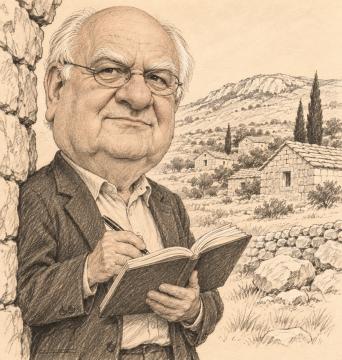
Ivan Aralica (born in Puljane, Promina, on 10 September 1930) is a Croatian novelist, short-story writer, essayist and screenwriter, particularly associated with historical fiction. He worked as a teacher and school administrator, while the landscape and traditions of the Dalmatian hinterland became enduring foundations of his writing. Individual freedom, political power, displacement and cultural identity are central concerns.
His early socially engaged fiction includes Svemu ima vrijeme (1967), A primjer se zvao Laudina (1969) and Filip (1970). Konjanik (1971) and the collection Opsjene paklenih crteža (1977) established his interest in historical narratives linking ordinary lives with powerful political and military structures.
Psi u trgovištu (1979) brought wider recognition through its examination of authority, court intrigue and personal survival. Put bez sna (1982), Duše robova (1984) and Graditelj svratišta (1986) followed, exploring family and collective experience along the shifting boundaries of Ottoman, Venetian and Habsburg influence.
Other notable works include Asmodejev šal (1988), Majka Marija (1992) and Četverored (1997). Later novels such as Ambra and Fukara engage more directly with contemporary political and ideological disputes, while Svetinka, Sunce and Runolist foreground religious and ethical questions.
His prose combines expansive storytelling, oral traditions, historical material and parable. Decisions made by rulers repeatedly reshape the lives of families and communities, testing conscience and endurance.
An academician and participant in political life, Aralica has also attracted divided responses to his public positions. His principal literary contribution lies in modern Croatian historical fiction, particularly its exploration of the individual’s struggle to preserve dignity and belonging through upheaval.
Titles in our offer
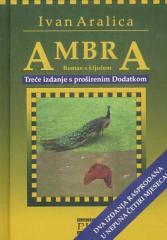
Ambra: Roman s ključem
Politički roman s ključem u kojem Ivan Aralica kroz prepoznatljive likove i satirične situacije preispituje hrvatsku javnu scenu, odnose moći, političko prilagođavanje i sukobe oko tumačenja nedavne prošlosti.
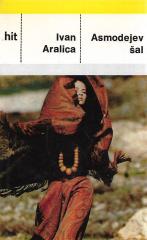
Asmodejev šal
Asmodejeva marama Ivana Aralice je roman koji kroz simboličku i istorijsku priču istražuje ljudsku prirodu, moralne dileme, političke sukobe i posledice ideoloških podela u hrvatskom društvu.
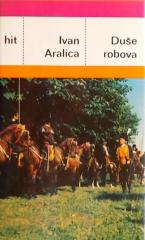
Duše robova
Ivan Aralicas „Die Seelen der Sklaven“ ist ein historischer Roman, der das Leben des kroatischen Volkes unter osmanischer Herrschaft schildert. Das Werk thematisiert Freiheit, Identität, Religion und Menschenwürde.
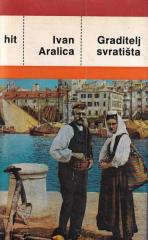
Graditelj svratišta
Der Wirtshausbauer ist ein realistischer historischer Roman in der Tradition von Andrić, jedoch mit Elementen der Fantasie, die Aralica mit dem mündlichen kroatischen Literaturwort, aber auch mit der fantastischen Literatur beispielsweise von Gabriel Garc
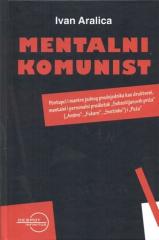
Mentalni komunist
The actions and mantras of a president as a social, mental and personal template.
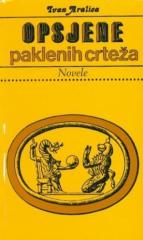
Opsjene paklenih crteža
Ivan Aralica was born in 1930 in Promina in the Dalmatian hinterland. He worked as a teacher, manager and principal in schools in Dalmatinska Zagora, and from 1971 as a teacher in secondary schools in Zadar. He was politically engaged in the late 60s and
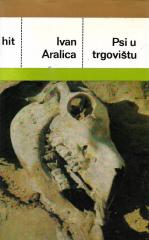
Psi u trgovištu
Dogs in the Market Place by Ivan Aralica is a historical novel set in the Dalmatian hinterland under Ottoman rule. It depicts the struggle for survival and human dignity through conflicts between local powerful people, peasants, and conquerors.
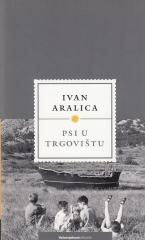
Psi u trgovištu
Ivan Aralica's novel Dogs in the Market Place (1986) is set in 18th-century Dalmatia, during the period of Venetian rule. The work is a historical novel with elements of philosophical reflection, characteristic of Aralica's style.
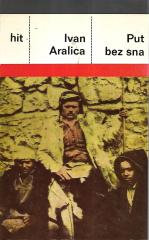
Put bez sna
In 1687, Friar Pavao Vučković and Šimun Grabovac face the decision to leave Rama. War drives their community towards Dalmatia, turning the search for safety into a struggle for survival and identity.
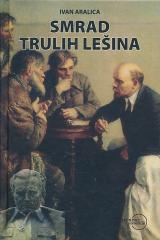
Smrad trulih lešina
Academician Ivan Aralica, the most widely read and most productive living Croatian writer, has completed the manuscript of his new book, titled "The Stink of Rotting Corpses," two years after his hit book "The Mental Communist."