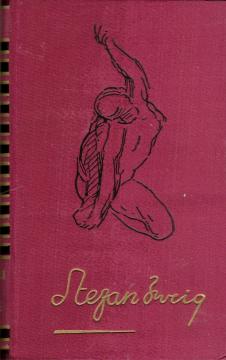
Odabrana djela Stefana Zweiga II: Maria Stuart
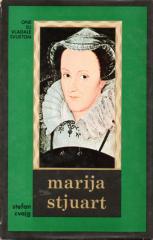
Zweig portrays Mary Stuart as a tragic queen caught between power, intrigue, and her own passions, whose fate leads from the Scottish throne to imprisonment and execution on the orders of Elizabeth I.
In Mary Stuart, Stefan Zweig paints a psychologically intense portrait of the Scottish queen whose life was marked by political struggles, love scandals, and deadly court intrigues. After returning from France, where she was queen and widow, Mary assumes the Scottish throne, but soon faces rebellions from the nobility, unhappy marriages, and accusations of involvement in the murder of her second husband, Lord Darnley. Zweig shows how her charisma, impulsiveness, and penchant for passion clash with the political realities of the country she rules.
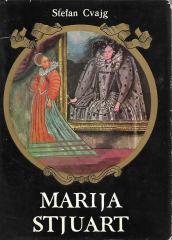
Her escape to England turns into a fatal mistake: instead of protection, Mary ends up in long-term captivity under the rule of her cousin and rival, Queen Elizabeth I. Zweig highlights the dramatic contrast between the two rulers: Mary is a figure of emotional strength and tragic fate, while Elizabeth represents cold rationality and political prudence. Accused of participating in conspiracies against the English crown, Mary is ultimately convicted and executed.
Zweig's portrayal emphasizes the fateful necessity of her downfall: Mary is a queen who wants to live as a woman full of feeling, while the world around her demands cold tact and control. In this tension arises the drama of her life, which Zweig shapes as a powerful tragedy about power, sacrifice, and human weakness.
One copy is available