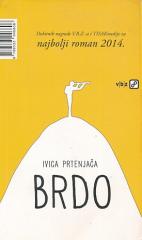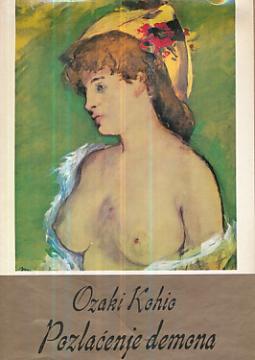
Pozlaćenje demona
The Japanese classic depicts the tragic conflict of love and greed through the fate of a groom who is abandoned by his fiancee for wealth, turning him into a heartless and vengeful usurer.
The novel The Golden Demon (Konjiki Yasha), published in the late 19th century (1897–1902), is one of the most famous and influential works of Japanese literature from the Meiji era, authored by Ozaki Kōyō. The plot follows the tragic fate of Kanuki Kanji, a young man whose life falls apart when his fiancée, Miya, leaves him to marry a wealthy banker. Deeply hurt and betrayed, Kanji abandons his academic dreams and moral principles to become a ruthless, cold-blooded usurer—figuratively "becoming a demon" obsessed with money. Through this dramatic tale of heartbreak and revenge, Kōyō offers a sharp social critique of turn-of-the-century Japan. It was an era of rapid modernization and Westernization, in which traditional moral values, loyalty, and sincere emotions were giving way to a new deity: material wealth and social status. His distinctive, elegant, and dramatic writing style (known as gabuntai) left an indelible mark on the development of the modern Japanese novel. Although the author passed away before he could fully complete the work, The Golden Demon remains an enduring classic that has inspired numerous theatrical, film, and television adaptations.
Two copies are available
Copy number 1
- Traces of patina
Copy number 2
- The cover is missing