Begunac

A dramatic novel about escape, guilt, and an individual’s inner struggle. Zilahi depicts the trauma of the First World War through the fate of a Hungarian officer in search of freedom and forgiveness.
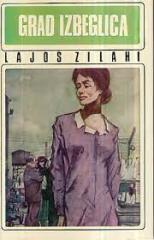
The novel The Fugitive (A szökevény, 1930), by the renowned Hungarian author Lajos Zilahy, is a poignant psychological and social drama that delves deeply into themes of war trauma, ethical dilemmas, and the quest for personal redemption. The narrative follows the fate of the protagonist—a Hungarian officer who, amidst the turmoil of the First World War, decides to desert the front, refusing to participate any longer in the madness and suffering into which his generation has been drawn. However, his physical escape from the battlefield marks only the beginning of his true ordeals. He becomes a fugitive—not only from military authorities and the law, but also from his own conscience, societal expectations, and the hypocritical morality of the post-war world. With remarkable psychological subtlety, Zilahy portrays the protagonist’s inner life: his sense of isolation and fear of discovery, alongside an irrepressible longing for a peaceful, dignified existence and understanding. Through a tense atmosphere and rich characterization, the author delivers a sharp critique of militarism and social hypocrisy. The Fugitive is a powerful anti-war story that centers on the value of human life, illustrating how historical upheavals force the individual to choose between blind obedience and their own humanity.
One copy is available