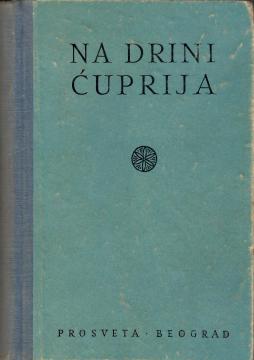
Na Drini ćuprija

Najpoznatiji roman Ive Andrića, za koji je dobio Nobelovu nagradu za književnost 1961. godine. Delo je strukturirano kao niz od 24 kratke priče povezane oko centralnog motiva – mosta Mehmed-paše Sokolovića preko reke Drine u Višegradu.
Radnja se proteže kroz četiri veka (od 1516. do 1914. godine): od izgradnje mosta u 16. veku (pod Mehmed-pašom Sokolovićem, rođenim Bajica iz bosanskog sela), kroz osmanski period (sa svim njegovim dramama, legendama, stradanjima i suživotom hrišćana i muslimana), austrougarsku okupaciju (modernizacija, ustanci, epidemije) do početka Prvog svetskog rata i rušenja mosta.
Most nije samo građevina – on je simbol večnosti, trajnosti i povezanosti (dve obale, Istočna i Zapadna, različite kulture i religije), nasuprot prolaznosti ljudskih života, stradanja, ratova i promena vlasti. Andrić, kroz detaljne, realistične i poetske opise, prikazuje sudbine pojedinaca (Fata Avdagin, Dautodža, Kapetan Bašeskija, austrijski inženjeri, seljaci, trgovci) u kontekstu velikih istorijskih promena, ističući neizbežnost sudbine, toleranciju i nepodnošljivost mržnje.
Stil je uzdržan, epski, sa snažnim folklorom, legendama i psihološkim dubinama - bez glavnog junaka ili linearne radnje, već hronika kasabe kao mikrokosmosa Bosne i Balkana. Prevedeno na mnoge jezike (eng. „Na Drini ćuprija“), klasik svetske književnosti, ekranizovano i obavezno štivo.
One copy is available