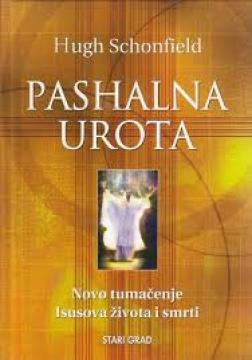
Pashalna urota: Novo tumačenje Isusova života i smrti
Der Autor behauptet, Jesus habe, im Wissen um die messianischen Prophezeiungen, sein Leben, seine Verhaftung, Kreuzigung und seinen vorgetäuschten Tod sorgfältig geplant, um diese Prophezeiungen zu erfüllen. Der Plan scheiterte jedoch an einem Speer eines
Die Passah-Verschwörung: Eine neue Interpretation des Lebens und Sterbens Jesu (1965) des britisch-jüdischen Bibelwissenschaftlers Hugh J. Schonfield zählt zu den umstrittensten Büchern des 20. Jahrhunderts über den historischen Jesus. Es verkaufte sich millionenfach und löste einen Sturm der Entrüstung aus, da es das traditionelle christliche Verständnis von Jesus als göttlichem Sohn Gottes und der Auferstehung als Wunder infrage stellte.
Schonfield schildert Jesus als tiefgläubigen Juden, einen Kenner hebräischer Prophezeiungen (Jesaja, Psalmen, Sacharja), der fest daran glaubte, der Messias zu sein. Anstatt auf Gottes Eingreifen zu warten, nahm Jesus – so der Autor – sein Schicksal selbst in die Hand: Er lenkte die Ereignisse meisterhaft, um Prophezeiungen zu erfüllen und den Glauben der Menschen zu erwecken. Der Einzug in Jerusalem auf einem Esel, die Tempelreinigung, das Letzte Abendmahl – all dies war geplant.
Der Höhepunkt ist die sogenannte „Passah-Verschwörung“: Jesus wählte den Tag vor Passah für seine Kreuzigung (damit die Leichname vor dem Sabbat entfernt werden konnten). Er vereinbarte mit Vertrauten (möglicherweise Johannes, Josef von Arimathäa oder einer geheimen Gruppe), ihm am Kreuz einen mit einem Rauschmittel (einer Mischung aus Opium und Kräutern) getränkten Essigschwamm zu geben, der seinen Herzschlag verlangsamen und ihn in einen todesähnlichen Zustand versetzen sollte. Der Leichnam sollte dann schnell abgenommen, in ein Grab gelegt und wiederbelebt werden. Die Auferstehung sollte dann der „Beweis“ für sein Messiasdasein sein.
Der Plan scheiterte jedoch: Ein römischer Soldat durchbohrte seine Seite mit einem Speer (Johannes 19,34) und tötete ihn. Daraufhin deuteten seine Anhänger, schockiert und verwirrt, die Ereignisse als eine tatsächliche Auferstehung, und die Geschichte entwickelte sich zum Christentum – insbesondere unter dem Einfluss von Paulus, der Elemente einer neuen Religion hinzufügte.
Schonfield sieht Jesus nicht als Betrüger, sondern als aufrichtigen Gläubigen, der das jüdische Volk vor der römischen Besatzung und dem geistlichen Verderben retten wollte – jedoch ohne Wunder, allein durch menschliche Weisheit und Opferbereitschaft. Das Buch ist eine naturalistische und historisch fundierte Analyse der Evangelien (insbesondere des Johannesevangeliums) mit Schwerpunkt auf dem kulturellen und politischen Kontext des 1. Jahrhunderts. Kritiker werfen ihm Spekulation und Blasphemie vor, doch es bleibt eine anregende Auseinandersetzung mit dem historischen Jesus versus dem religiösen Mythos.
Multiple copies are available