Ljudi
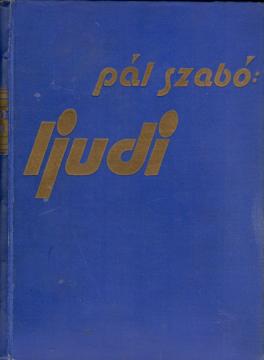
„Ljudi” Pála Szaba romansirana je kronika seoske zajednice u kojoj se kroz svakodnevni život, sukobe, rad i međuljudske odnose prikazuje moralna snaga, slabosti i trajna borba čovjeka za dostojanstvo.
Ljudi mađarskog pisca Pála Szaba realistički je i društveno prodoran roman koji donosi široku sliku života u seoskoj zajednici na prijelazu 19. u 20. stoljeće. Djelo se usmjerava na obične ljude — seljake, radnike, žene, mlade i stare — čiji su životi obilježeni teškim radom, socijalnim nejednakostima, ali i snažnim osjećajem zajedništva. Szabo na klasično realistički način prikazuje mentalitet ruralne sredine: borbu za opstanak, ovisnost o zemlji, sezonske ritmove, ali i emocionalne napetosti koje se rađaju iz bliskog, gotovo zatvorenog suživota u maloj zajednici.
Roman nema jednog središnjeg junaka; umjesto toga, fokus je na cijelom kolektivu, gdje se pojedinačne sudbine isprepliću s društvenim promjenama. U tom smislu „Ljudi” funkcioniraju kao svojevrsna panorama života: prikazuju ljubav i ljubomore, obiteljske nesuglasice, generacijske razlike, siromaštvo, težnju za boljim životom i odnos prema tradiciji. Szabo ističe i moralne dvojbe likova, istražujući kako izvanjske okolnosti oblikuju ljudsku narav i odluke.
Posebna vrijednost romana leži u detaljnim opisima svakodnevice — od rada na polju do običaja, praznovjerja i sela kao društvenog organizma. Autor pritom gradi stil koji je istodobno jednostavan i poetski, želeći naglasiti da je život „malih ljudi” jednako vrijedan književnog prikaza kao i sudbine velikih junaka.
Ljudi su stoga roman o borbi, izdržljivosti i moralnoj složenosti običnih života, djelo koje ostavlja dojam dokumentarne vjerodostojnosti i duboke humanističke empatije prema svojim likovima.
Jedan primerak je u ponudi
- Nedostaje ovitak