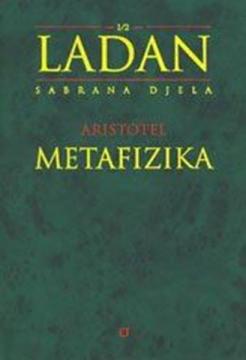
Metafizika
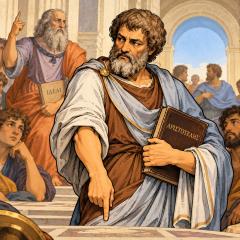
Metafizika je najpoznatije i najutjecajnije Aristotelovo filozofsko djelo, sastavljeno od 14 knjiga. Naziv Metafizika nije Aristotelov – nastao je kasnije jer su spisi bili smješteni “iza fizike” (meta ta physika).
Djelo predstavlja tzv. prvu filozofiju – znanost koja proučava biće kao takvo, njegove najopćenitije principe i krajnje uzroke. Aristotel tu kritički preispituje mišljenja svojih prethodnika (osobito Platona) i gradi vlastiti sustav koji će oblikovati cijelu zapadnu misao.
U središtu Metafizike je pitanje bića kao bića. Aristotel istražuje što znači da nešto uopće jest, koje su najopćenitije odredbe postojanja i što čini nešto onim što jest u najdubljem smislu – supstanciju (ousia). Pritom kritički preispituje Platonove ideje i nudi vlastito rješenje odnosa općeg i pojedinačnog.
Drugi veliki dio djela bavi se uzročnosti, kretanjem i savršenstvom. Aristotel razrađuje odnos materije i forme te potencije i akta, uvodi četiri uzroka i na vrhuncu dolazi do nepokretnog pokretača – vječnog, nematerijalnog uma koji je čisti akt i krajnji uzrok svega što postoji u svemiru.
Ladanov prijevod iz 1985. godine smatra se jednim od najboljih hrvatskih prijevoda Aristotela. Odlikuje ga velika filološka preciznost, bogat komentar i sedmojezični tumač ključnih termina. Ovo izdanje ostaje standardno referentno djelo za hrvatsku filozofsku javnost.
Metafizika je zahtjevno, sažeto i duboko djelo koje ostaje temelj ontologije, teologije i znanosti Zapada. Nezaobilazno za ozbiljno studiranje filozofije.
Multiple copies are available