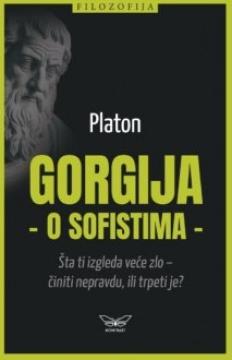
Gorgija: O sofistima
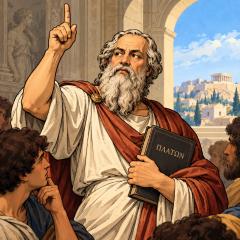
Plato's dialogue Gorgias (c. 380 BC) in which Socrates debates with Gorgias, Polus, and Callicles about the nature of rhetoric, power, justice, and the good life. A harsh criticism of the Sophists and their oratory as flattery rather than knowledge.
Gorgias (sometimes called On Rhetoric or On Sophists) is one of Plato's most important dialogues from the middle period. It was written around 380 BC and belongs to the so-called Socratic dialogues in which Plato develops his own philosophy through the character of Socrates.
The dialogue is structured in three main parts, according to the interlocutors: Socrates – Gorgias:
- Gorgias, a famous Sicilian sophist and teacher of rhetoric, praises his skill as the art of persuasion that brings power in the city. Socrates forces him to admit that rhetoric produces only belief (doxa), not knowledge (episteme), and that he deals with questions of justice and injustice without actually knowing these things.
- Socrates – Polus (Polus): Gorgias's young student defends the thesis that it is better to do injustice than to suffer injustice because power brings happiness. Socrates argues and shows that doing injustice is worse for the soul than suffering it, and that justice is better than power and pleasure.
- Socrates – Callicles: The most intense and longest part. Callicles, an ambitious politician, advocates radical naturalism: it is natural for the stronger to rule the weaker, and that "justice" is only a convention of the weak. He praises unlimited pleasure and power. Socrates counters him with the idea that happiness lies in the order of the soul, temperance (sophrosyne) and justice, and not in insatiable lust.
Plato here harshly criticizes the sophists as professional teachers of rhetoric who sell the art of persuasion without concern for truth and morality. Rhetoric is presented as kolakeia (flattery), a false art similar to cooking or cosmetics – aimed at pleasure, not at the good of the soul. The true arts (techne) are those that concern the good: medicine for the body, justice and legislation for the soul.
Key themes of the dialogue are the relationship between rhetoric and philosophy, the nature of power, justice versus pleasure, authentic living, punishment as healing for the soul, and the myth of the judgment of souls at the end of the dialogue (which hints at immortality and posthumous justice).
Gorgias is a powerful defense of the philosophical way of life against political pragmatism and sophistic relativism. It has influenced the whole of Western ethics and political philosophy. The dialogue is dynamic, polemical, and dramatic – one of Plato's most readable and powerful texts.
One copy is available