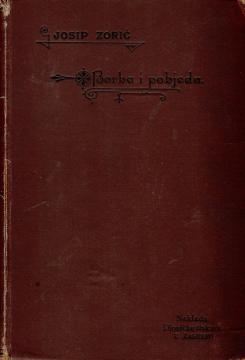
Borba i pobjeda: Pripoviest iz nedavne prošlosti
A story about the Croatian struggle for national rights and moral victory in the socio-political circumstances of the second half of the 19th century. A folk novel full of patriotism, family conflicts and the triumph of Christian values.
Borba i pojeća: Pripoviest iz nedavne prostolštiJosip Zorić (1837–1904) is one of seven novels by the Dugoselo parish priest, politician and folk writer, which belongs to the group of “narratives from the recent past”. Together with works such as Pavao Pavlović (1897) and Žrtva materina (1895), the novel addresses the social, political and moral conditions of Croatia in the second half of the 19th century – from the ideas of the Renaissance to Khuen’s era of Magyarization.
Zorić, a political commentator and member of the Croatian Parliament, writes in a tendentious folk style intended for a wide audience, especially youth and the peasantry. The novel depicts the struggle of ordinary Croatian people – peasants, citizens and patriots – against non-national regimes, alienation, the decline of cooperatives, material impoverishment and moral decay. The main characters face political pressures, family crises, love affairs and social injustices, and the story culminates in the victory of Christian values, patriotism, honesty and family harmony.
The plot takes place mainly in rural and small-town environments (Zagorje, Posavina, the Dugo Selo area and its surroundings), with motifs from real life that the author knew well as a parish priest. Like Zorić's other works, it emphasizes positive characters (patriots, pious peasants, self-sacrificing mothers) as opposed to negative characters (opportunists, foreigners, immoral individuals). Critics often criticized the excessively black-and-white depiction and moralizing, but the people read it willingly because it strengthened national pride and ethical ideals.
The book was originally published in serials in Obzor. It is part of Zorić's project of awakening national consciousness through literature. Today it is considered the beginning of the Croatian folk novel (along with Janka Matka).
One copy is available
- Damaged covers