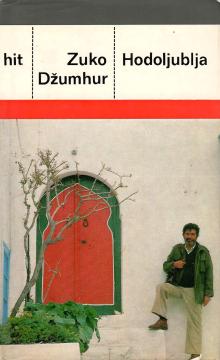
Hodoljublja
Zuka Džumhurs Pilgerreise ist eine Mischung aus Reisebericht, Essay und Kulturchronik: ein Buch über Städte, Menschen und Geschichte, humorvoll, gelehrt und mit einem ausgeprägten Gespür für die Atmosphäre eines Ortes geschrieben.
Hodoljublja zählt zu den bekanntesten Werken von Zuka Džumhur und ist zugleich eines der wichtigsten Bücher der südslawischen Reiseliteratur der zweiten Hälfte des 20. Jahrhunderts. Entstanden aus derselben schriftstellerischen Sensibilität, die auch seine bekannte Fernsehserie prägte, verwandelt dieses Buch das Reisen in eine Form der kulturellen Auseinandersetzung mit dem Raum: Städte, Basare, Häfen, mediterrane und orientalische Landschaften, Gasthäuser, Brücken und zufällige Begegnungen werden zum Anlass für Erzählungen, in denen Geschichte, persönliche Erinnerungen, Humor und künstlerisches Feingefühl miteinander verschmelzen.
Džumhur schreibt keinen klassischen Reisebericht, der lediglich Route und Sehenswürdigkeiten beschreibt. Ihn interessiert die vielschichtige Geschichte eines Ortes – was sich über die Jahrhunderte in den Fassaden, der Sprache, der Küche, den Namen und den Erzählungen erhalten hat. Deshalb weitet sich die Reise in Hodoljublja stetig zu einer kulturellen Betrachtung aus: Hinter einer einzigen Straße offenbart sich die Geschichte von Imperien, hinter einem Gespräch mit einem zufälligen Mitreisenden eine ganze Mentalität und hinter der Landschaft die Spuren von Zivilisationen, die sie berührten und vorüberzogen.
Die Einzigartigkeit des Buches liegt auch in Džumhurs Stil. Seine Sätze wirken gesprächig und ungezwungen, voller Abschweifungen, Anekdoten und geistreicher Bemerkungen, sind aber gleichzeitig sehr präzise und suggestiv. Als Karikaturist, Illustrator und Drehbuchautor sieht Džumhur den Raum visuell und erzählt ihn bildhaft: mit kurzen, prägnanten Strichen. Genau deshalb ist Hodoljublja nicht nur eine Sammlung von Reiseberichten, sondern auch das Porträt einer außergewöhnlichen Autorenperspektive – ein Buch, das Neugier, eine Kultur der Erinnerung und die seltene Fähigkeit vereint, einen Ort an seinem Wesen und nicht nur an seinem Namen zu erkennen.
One copy is available