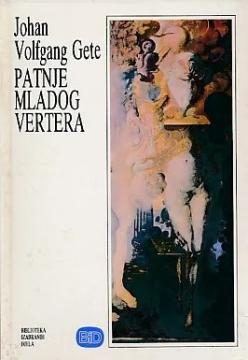
Patnje mladog Vertera
Goethe’s iconic epistolary novel "The Sorrows of Young Werther" (1774) is a moving story about the passionate, unhappy love of the young artist Werther for Lotte, which ends tragically with his suicide.
"The Sorrows of Young Werther" (Die Leiden des jungen Werthers), one of the most famous works by Johann Wolfgang von Goethe, published in 1774, is a key novel of the German Sturm und Drang ("Storm and Stress") literary movement and one of the most influential works in world literature. Structured as an epistolary novel, it consists of letters written by Werther—a young, emotional, and gifted artist—to his friend Wilhelm, in which he candidly reveals his deepest thoughts, passions, and inner turmoil. The plot centers on Werther’s time in the idyllic town of Wahlheim, where he falls passionately in love with Lotte (Charlotte), a young woman of exceptional beauty and kindness. However, Lotte is already engaged to the rational and steady Albert. Despite knowing that this love can never be fulfilled, Werther is unable to free himself from his obsessive emotions. His idealism, sensitivity, and inability to adapt to cold social conventions gradually lead him into a profound mental crisis and a sense of hopelessness. The novel presents not only a tragic romance but also a powerful rebellion by a young individual against restrictive social norms and the dictates of reason, placing emotions, nature, and individuality at the forefront. With its extraordinary psychological depth and emotional intensity, the work achieved unprecedented success across Europe and left a defining mark on the Romantic era.
One copy is available
- Damaged pages