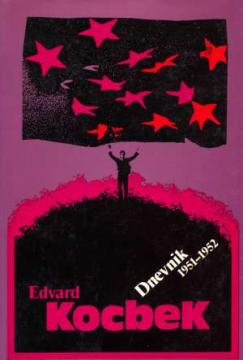
Dnevnik 1951-1952.

Dnevnik 1951-1952.

Edvard Kocbek
Translation
Mirjana Hećimović
Editor
Ivana Sor
Graphics design
Bronislav Fajon
Dimensions
20 x 13 cm
Pages
227
Publisher
Globus, Zagreb, 1987.
 
Distribution: 5,000 copies
 
Latin alphabet. Hardcover with dust jacket.
Language: Croatian.

One copy is available

Condition:Used, excellent condition
 

Are you interested in another book? You can search the offer using our search engine or browse books by category.

You may also be interested in these titles

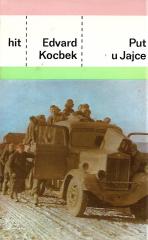
Put u Jajce

Put u Jajce

Edvard Kocbek

In Put u Jajce, Edvard Kocbek provides personal and political testimony about key moments in Yugoslav history. The book is based on Kocbek's memories from the Second World War, especially the trip to Jajce in 1943.

Znanje, 1978.
Croatian. Latin alphabet. Hardcover with dust jacket.
8.386.29
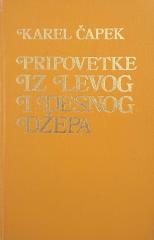
Pripovetke iz levog i desnog džepa

Pripovetke iz levog i desnog džepa

Karel Čapek

These stories deal with different topics, although most deal with different criminal acts, from fraud and fortune-telling to marriage fraud and murder.

Jugoslavijapublik, 1980.
Croatian. Latin alphabet. Hardcover.
5.22
Seks skandal 2: Političari u krevetu

Seks skandal 2: Političari u krevetu

Izabela D.

The sequel to the ultimate hit Sex Scandal: Confessions of a Zagreb Model, Sex Scandal 2: Politicians in Bed, exposes the moral underbelly of Croatian politicians who publicly act as selfless fighters for the common good, while privately indulging in lust

24 sata.
Croatian. Latin alphabet. Paperback.
2.36
Proces

Proces

Franz Kafka

Kafka wrote The Process between 1914 and 1915, published posthumously in 1925. The novel is unfinished but with an added final chapter by Max Brod. Edition with a foreword by B. Živojinović and an afterword by Walter Killi.

BIGZ, 1990.
Serbian. Latin alphabet. Paperback.
4.26
Kad žena zri

Kad žena zri

Honore de Balzac
Svjetlost, 1970.
Croatian. Latin alphabet. Hardcover.
4.99 - 5.00
Španjolski vrtlar

Španjolski vrtlar

Archibald Joseph Cronin

Cronin's novel masterfully depicts the conflict between cold intellect and warmth of heart, the harmfulness of possessive love and the healing power of true human intimacy. The novel is at once a tender story about a child's soul and a sharp critique of e

Otokar Keršovani, 1966.
Croatian. Latin alphabet. Hardcover with dust jacket.
5.42