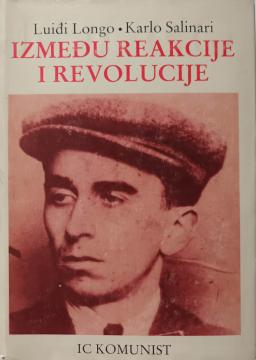
Između reakcije i revolucije
One copy is available
- Library stamp
- Signature of previous owner

One copy is available
Are you interested in another book? You can search the offer using our search engine or browse books by category.
The Croatian Spring is not only a chronicle of the events of 1971, but also a suggestive presentation of the political conditions of Yugoslavia in the post-war period. These testimonies come from the pen of a man who really tried to break the shackles of
Crime (1955) by Ivan Potrč is a historical novella that focuses on the last days of communist illegals Đuro Đaković and Nikola Hećimović, key figures of the Communist Party of Yugoslavia in the period between the two world wars.
Ilić considers how the satisfaction of one's own needs represents the meaning and condition of human existence.
The book How did they demolish HAZU? by Josip Pečarić, published in 2006, analyzes internal conflicts within the Croatian Academy of Sciences and Arts (HAZU).
Journalist Milan Ivkošić said that the book contains texts by authors who differ ideologically and that some of them do not share Glavaš's views, but, as he maintains, wrote objectively about his case.