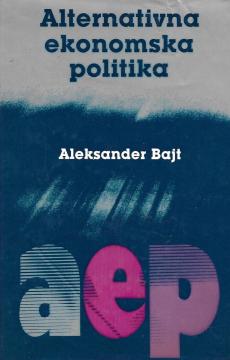
Alternativna ekonomska politika
One copy is available

One copy is available
Are you interested in another book? You can search the offer using our search engine or browse books by category.
The author explores why Tito remains a popular symbol of stability, social security and independence, despite critical views of his regime. The book maps the cultural, political and everyday manifestations of "Titostalgia".
The author of this book describes the fate of the main enemies of the Yugoslav communists in the last stage of the war, as well as their attempts to prevent the consolidation of communist power in Yugoslavia in the first post-war years.
In Put u Jajce, Edvard Kocbek provides personal and political testimony about key moments in Yugoslav history. The book is based on Kocbek's memories from the Second World War, especially the trip to Jajce in 1943.
The book contains forewords by Indira Gandhi and Mitja Ribicic, and deals with Tito's humanistic vision, his efforts for peace, the challenges he faced, and his wisdom as a statesman.
The book by Raif Dizdarević, one of the last living actors of Yugoslav diplomacy, presents his reconstruction of the most fateful moment of post-war Yugoslavia – the split with Stalin and the Informburo in 1948–1953.
Sadik Salimović's Book of Srebrenica (2002) is a memoir of the city: from Ottoman settlement, Islamization and development to the war suffering of 1992–1995 and genocide. It preserves the identity and memory of life before and after the tragedy.