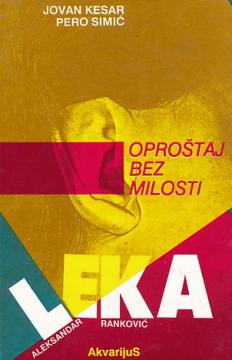
Oproštaj bez milosti - Leka Aleksandar Ranković
No copies available
The last copy was sold recently.
No copies available
The last copy was sold recently.
Are you interested in another book? You can search the offer using our search engine or browse books by category.
The Croatian Spring is not only a chronicle of the events of 1971, but also a suggestive presentation of the political conditions of Yugoslavia in the post-war period. These testimonies come from the pen of a man who really tried to break the shackles of
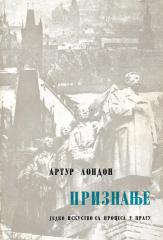
Crime (1955) by Ivan Potrč is a historical novella that focuses on the last days of communist illegals Đuro Đaković and Nikola Hećimović, key figures of the Communist Party of Yugoslavia in the period between the two world wars.
Amir Duranović's book reconstructs in detail the dramatic year 1966 and the Fourth (Brion) Session of the Central Committee of the Communist Party of Yugoslavia (July 1–2, 1966), at which Aleksandar Ranković, the long-time head of the UDB and vice preside
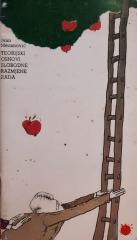
Dragosavac first explains what the law of value is according to Karl Marx – the fundamental economic law of commodity production in which the exchange of goods depends on socially necessary working time.
The book How did they demolish HAZU? by Josip Pečarić, published in 2006, analyzes internal conflicts within the Croatian Academy of Sciences and Arts (HAZU).
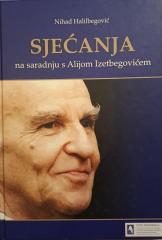
Nihad Halilbegović's book is a memoir testimony of long-term professional and personal cooperation with Alija Izetbegović, the first president of independent Bosnia and Herzegovina.