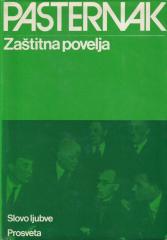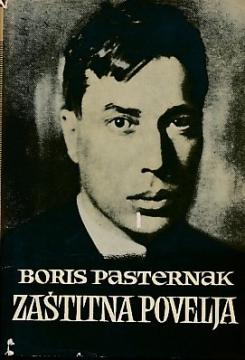
Zaštitna povelja / Detinjstvo Liversove / Il Tratto di Apelle / Vazdušni koloseci / Pisma iz Tule
Eine Sammlung von Boris Pasternaks autobiografischen und frühen Prosatexten ergründet das Geheimnis künstlerischen Schaffens, der Reifung und der moralischen Entscheidungen des Einzelnen. In lyrischer Prosa offenbart sich die Poetik des russischen Nobelpr
Diese Ausgabe vereint das grundlegende autobiografische und essayistische Werk Die Schutzcharta und vier Schlüsselerzählungen aus der Frühphase des Schaffens des russischen Nobelpreisträgers Boris Pasternak: Die Kindheit der Liebenden, Das Zeichen des Apelles (Il Tratto di Apelle), Die Luftwege (Vazdusni koloseci) und Briefe aus Tula. Alle Werke verbindet Pasternaks unverwechselbarer, außergewöhnlich lyrischer und metaphorischer Stil, in dem die Grenze zwischen Poesie und Prosa beinahe vollständig verschwimmt.
Das Zentrum der Sammlung bildet die Schutzcharta (1931), eines der bedeutendsten autobiografischen Werke des 20. Jahrhunderts. Darin präsentiert Pasternak keine klassische Biografie, sondern beschreibt seine spirituelle und poetische Reifung – vom Aufgeben der Musik unter dem Einfluss Skrjabins und dem Philosophiestudium in Marburg bis hin zur vollständigen Hingabe an die Dichtung. Besonders ergreifend sind seine Aufzeichnungen über die Freundschaft mit Wladimir Majakowski und seine Reflexionen über dessen tragischen Selbstmord.
Die Kurzgeschichte „Die Kindheit der Luvers“ (1918) ist ein Meisterwerk des psychologischen Realismus, das den zarten Übergang von der Kindheit zur Jugend anhand der subtilen Eindrücke des Mädchens Ženja Luvers schildert. In seinem Frühwerk „Das Zeichen des Apelles“ (1915/1918) behandelt er das Motiv des poetischen Wettstreits und der Illusion anhand einer fiktiven Begegnung mit Heinrich Heine in Italien, wo die Grenze zwischen Kunst und wahrer Liebe zu einer ästhetischen Herausforderung wird.
Die düstere und dramatische Erzählung „Airways“ (1924) zeigt das Aufeinandertreffen von familiären Tragödien und dem Verschwinden eines Kindes mit dem unerbittlichen Wirbelsturm der Oktoberrevolution und des Bürgerkriegs. Die Sammlung wird durch Briefe aus Tula (1918) vervollständigt, die in philosophischen Gesprächen und inneren Monologen die Begriffe des Schauspiels, der künstlerischen Wahrheit und der moralischen Verantwortung des Schöpfers in einer neuen, revolutionären Ära problematisieren.
Diese Werke bilden insgesamt das unverzichtbare Fundament von Pasternaks Poetik, die in dem Roman Doktor Schiwago ihren Höhepunkt erreichen wird.
One copy is available