Social literature
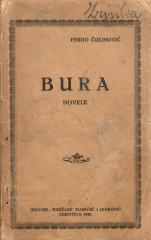
Bura: novele
"Bura" (1928) is a collection of short stories by Ferdo Čulinović. Realistic stories inspired by the author's experience as a judge, with themes of social injustice, the common man, and turbulent social conditions in the Kingdom of Serbs, Croats, Slovenes
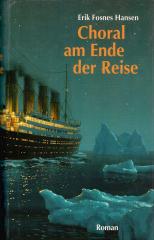
Choral am Ende der Reise
An international bestseller by Norwegian author Erik Fosnes Hansen. A novel about seven musicians from the Titanic orchestra; their lives and fates told over the five days leading up to the disaster in 1912.
Čiča Goriot

Uncle Goriot is one of the most famous and important novels by Honoré de Balzac, published in 1835. It is part of his vast cycle The Human Comedy (La Comédie humaine), and is considered perhaps the most successful work in that cycle.
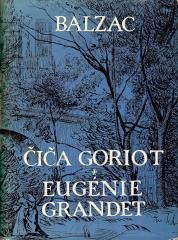
Čiča Goriot / Eugenie Grandet
Together, Uncle Goriot and Eugenie Grandet deliver Balzac's powerful portrayal of the power of money, family relationships, and social ambitions, revealing how greed, love, and sacrifice shape human destinies.
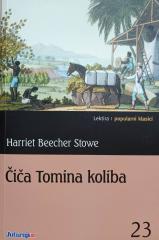
Čiča Tomina koliba
A novel that strongly depicts the cruelty of slavery in 19th century America and is one of the most influential works in the fight against slavery. The novel (1852) caused enormous social reactions and contributed to the strengthening of the abolitionist
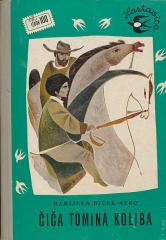
Čiča Tomina koliba
*Uncle Tom’s Cabin* follows the slave Tom—who, after being sold, ends up in the hands of the cruel Legree—as well as Eliza and George, who flee toward freedom with their child. The novel exposes the inhumanity of slavery and the destruction of families.
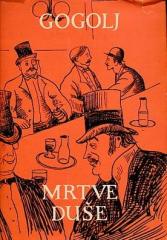
Čičikovljeve pustolovine ili Mrtve duše
The novel "Dead Souls" was originally conceived as a poem in 3 parts, based on Dante's Divine Comedy divided into three parts: hell, purgatory and paradise, but he wrote only one, published in 1842, and 5 fragments of the second part.
Čočara

Widow Cesira and her daughter Rosetta flee bombed Rome to their native Ciociaria, where they experience hunger, fear and misery. Liberation brings tragedy: Rosetta is raped by Moroccan soldiers, destroying their faith in God and people.
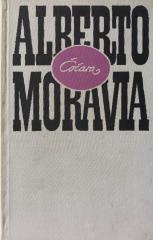
Čočara
Widow Cesira and her daughter Rosetta flee bombed Rome to their native Ciociaria, where they experience hunger, fear and misery. Liberation brings tragedy: Rosetta is raped by Moroccan soldiers, destroying their faith in God and people.
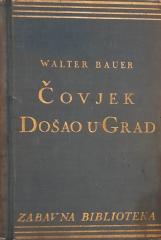
Čovjek došao u grad: Roman jednog proletariziranog seljaka
A poor peasant comes to the city seeking a better life, but faces exploitation and social injustice. The work depicts the process of proletarianization of the peasantry during the period of social change in the first half of the 20th century.
Literature
- A philosophical novel
- A war novel
- Adventure novel
- Albanian literature
- American literature
- Ancient literature
- Anthology
- Aphorisms and jokes
- Arabic literature
- Autobiographies and Memoirs
- Bosnian literature
- British literature
- Bulgarian literature
- Chinese literature
- Comedy
- Croatian literature
- Czech literature
- Detective Stories
- Documentary literature
- Dutch literature
- Eastern European literature
- Epic Fantasy
- Epic literature
- Epistolary literature
- Erotic Novels
- Essays and diaries
- Family novel
- Fantastic literature
- Folk literature
- Francuska književnost
- German literature
- Greek literature
- Hispanic American literature
- Historical novel
- History of literature
- Horror/Gothic
- Humor and Satire
- Hungarian literature
- Indian literature
- Iranian literature
- Irish literature
- Italian literature
- Japanese literature
- Jewish literature
- Latin literature
- Literary criticism
- Literary Theory
- Macedonian literature
- Montenegrin literature
- Moral and didactic literature
- Movie Script
- Novele
- Plays
- Poems in prose
- Poetry
- Polish literature
- Portuguese literature
- Proverbs and maxims
- Psychological novel
- Romance Novels
- Romanian literature
- Russian literature
- Sayings, thoughts, aphorisms, proverbs
- Scandinavian literature
- School reading
- Science Fiction
- Serbian literature
- Short Stories
- Short stories
- Slovak literature
- Slovenian literature
- Social literature
- Spanish literature
- Summaries and adaptations of literary works
- Teen Novels
- Thriller
- Tragedy
- Turkish literature
- Ukrainian literature