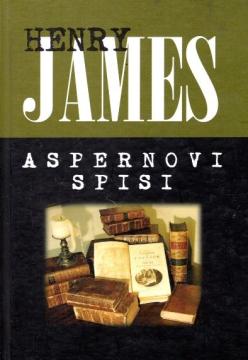
Aspernovi spisi
In Venice, a literary scholar seeks the private letters of the late poet Jeffrey Aspern, kept by his former lover. A psychological novella about obsession, secrecy and the moral limits of ambition.
How far will someone go to uncover the secrets of a celebrated artist? In The Aspern Papers, Henry James explores literary obsession, the conflict between privacy and intellectual curiosity, and the moral consequences of pursuing knowledge at any cost.
An unnamed American literary scholar travels to Venice, convinced that the elderly Juliana Bordereau, once the lover of the deceased poet Jeffrey Aspern, possesses a collection of his valuable private letters. Hoping to gain access to them, he rents rooms in her decaying Venetian palace, where she lives in seclusion with her niece, Miss Tina.
Concealing his true intentions, the narrator gradually attempts to win the women's confidence. His scholarly ambition develops into an obsession, blurring the boundaries between legitimate research, deception and exploitation.
James creates an atmosphere of mystery, psychological tension and moral ambiguity. Venice, with its ageing palaces and lingering traces of the past, provides the setting for a subtle struggle between ambition, personal dignity and the right to preserve private memories.
One of James's most celebrated shorter works, The Aspern Papers is a compelling psychological and literary novella about artistic fame, human selfishness and the limits of knowledge.
One copy is available
- Library stamp