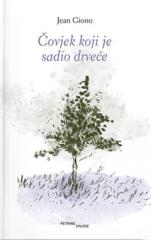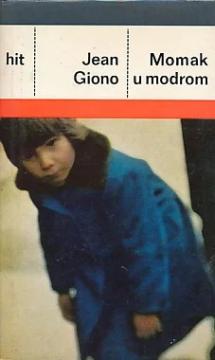
Momak u modrom
„Der Junge in Blau“ ist ein autobiografischer Roman von Jean Gion über seine Kindheit in der Provence. Anhand von Erinnerungen an Familie, erste Freunde und die Natur schildert der Autor das Heranwachsen und die Entwicklung des späteren Schriftstellers.
Der Junge in Blau ist einer der persönlichsten Romane des französischen Schriftstellers Jean Giono. Das Werk ist stark autobiografisch geprägt und basiert auf den Kindheitserinnerungen des Autors an seine Kindheit in der kleinen Stadt Manosque in der Provence. Die Hauptfigur ist der Junge Jean, in dem der Autor selbst unverkennbar ist. Der Roman schildert seine Kindheit und Jugend in einer bescheidenen Familie zu Beginn des 20. Jahrhunderts.
Jeans Eltern spielen eine wichtige Rolle im Roman. Sein Vater ist Schuhmacher, ein stiller und fleißiger Mann, der viel Zeit an seinem Schreibtisch verbringt, während seine Mutter als Wäscherin arbeitet und die Familie allein ernährt. Durch ihren Alltag lernt der Junge die Arbeitswelt, Armut und Würde kennen. Die familiären Beziehungen werden warmherzig und ohne Idealisierung dargestellt.
Die Handlung entfaltet sich nicht in einem einzigen Plot, sondern in einer Reihe von Episoden: Kinderspiele, Spaziergänge in der Natur, Begegnungen mit Nachbarn, erste Ängste, Fantasien und die Entdeckung der Erwachsenenwelt. Besonders eindrucksvoll sind die Beschreibungen der Provence – Hügel, Felder, Wind und der Duft der Natur. Für den jungen Jean ist die Natur nicht nur Kulisse, sondern ein Raum der Freiheit und Fantasie, der seine Lebenseinstellung prägt.
Durch die Beobachtungen des Jungen schildert Giono die Welt der Kinder, ihre Freuden, Sorgen und alltäglichen Kämpfe. Der Roman kommt ohne dramatische Wendungen aus, besticht aber durch seine Atmosphäre und seine lebendigen Charaktere. Zugleich ist er eine Geschichte über das Erwachsenwerden, die Familie und die Entwicklung eines Schriftstellers, der in gewöhnlichen Menschen und Landschaften die Inspiration für sein gesamtes zukünftiges Werk findet.
Jedan primerak je u ponudi