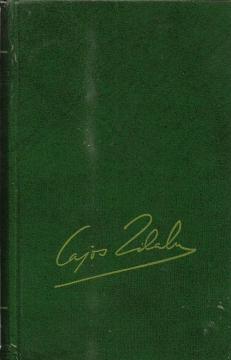
Izabrana dela 10: Razbesneli anđeo

The third installment of the six-part saga about the Dukaj family follows their fate during World War II, the Siege of Budapest, and political upheavals, revealing the tragedies of war, exile, and the collapse of the aristocratic world.
The Angry Angel is a novel by Lajos Zilahy and the sequel to the sweeping family saga Ararat, which chronicles the fate of the wealthy Hungarian noble Dukay family. The story unfolds during World War II, amidst the occupation, aerial bombardments, displacement, and dramatic political shifts in Hungary.
At the heart of the narrative are Osti, Zija, and Mihály, whose lives diverge under the pressures of the war. Through letters, personal notes, and Zija’s diary, their intimate dramas, fears, and efforts to preserve family bonds are revealed. The once-mighty Ararat estate becomes a symbol of a world vanishing forever.
Zilahy powerfully depicts the Siege of Budapest, the devastation of war, and the arrival of the Red Army, as well as the political conflicts that emerged after the war’s end. He pays special attention to the fates of ordinary people—refugees and individuals torn between love, loyalty, and the struggle for survival.
The novel blends historical drama, psychological fiction, and family tragedy, portraying the collapse of the aristocratic order and the profound transformation of Hungarian society. Love, betrayal, loss, and disillusionment define the ultimate fates of the Dukay family members, while behind these personal tragedies emerges a broader picture of a Europe shattered by war and ideological conflict.
One copy is available