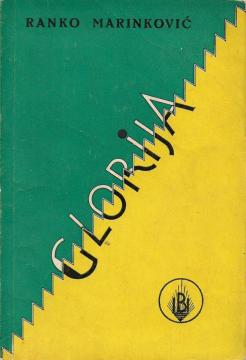
Glorija: mirakl u šest slika
„Gloria“ ist ein 1955 uraufgeführtes Drama von Ranko Marinković, das die komplexen Themen Sünde, Erlösung, menschliche Natur und die Beziehung zwischen Glaube und Leidenschaft anhand starker Symbolik und tiefer philosophischer Motive erforscht.
Dieses Werk ist eines der berühmtesten aus Marinkovićs Oeuvre und wird oft als modernes Moraldrama mit Elementen der Kritik sozialer und religiöser Dogmen interpretiert.
Die Geschichte spielt an einem abgelegenen Ort, wo das provinzielle Franziskanerkloster im Mittelpunkt des Geschehens steht. Die Hauptfigur, Pater Melchior, ein alter und erfahrener Priester, versucht, die Situation zu lösen, die durch die Ankunft der jungen und attraktiven reisenden Schauspielerin Gloria entsteht. Aufgrund unvorhergesehener Umstände flüchtet Gloria in ein Kloster, was bei Mönchen und Dorfbewohnern für Verwirrung sorgt.
Anhand der Figur von Gloria Marinković erkundet sie die Dualität der menschlichen Natur – Leidenschaft und Sünde versus Reinheit und Glaube. Mönch Melchior, der einst selbst in eine weltliche Frau verliebt war, sieht sich seinen eigenen Schwächen aus der Vergangenheit gegenüber, als er versucht, Gloria bei ihrem inneren Kampf zu helfen. Parallel dazu gerät der junge Bruder Lucian, Melchiors Schützling, aufgrund seiner Anziehungskraft auf Gloria in eine Glaubenskrise.
Je weiter sich das Drama entwickelt, desto deutlicher werden die Konflikte zwischen dem Geistigen und dem Physischen und gipfeln in Situationen, die die Doppelzüngigkeit der Gemeinschaft und die Ohnmacht des Einzelnen gegenüber seinen eigenen Schwächen offenbaren.
„Gloria“ ist ein tiefgründiges und vielschichtiges Drama, das universelle Fragen zur menschlichen Natur, zum Glauben und zur Leidenschaft stellt. Durch intensive Dialoge und Symbolik hinterfragt Marinković die Grenzen zwischen dem Göttlichen und dem Menschlichen, dem Spirituellen und dem Physischen und kritisiert gleichzeitig die gesellschaftliche Heuchelei.
One copy is available