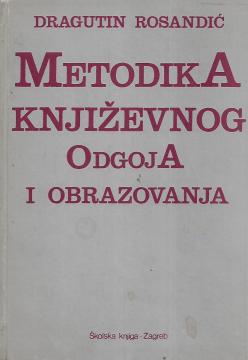
Metodika književnog odgoja i obrazovanja
A fundamental work of Croatian methodological science that explores the theory, goals, and methods of teaching literature, connecting the pedagogical, psychological, and aesthetic aspects of literary education.
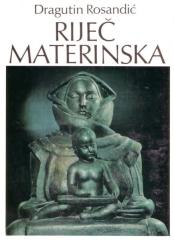
Dragutin Rosandić, one of the founders of contemporary literature methodology in Croatia, systematically elaborates the scientific foundations of teaching literature in his work Methodology of Literary Education. The book starts from the understanding that methodology is not just a handy discipline, but an independent scientific branch that connects literary theory, pedagogy, psychology and linguistics. Its goal is to shape a teaching process in which the student becomes an active participant — an interpreter, reader and creator of literary meaning.
Rosandić emphasizes that teaching literature must not be reduced to the analysis and interpretation of the text, but must develop aesthetic sensitivity, emotional experience and freedom of thought of students. At the heart of the methodological approach is literary communication — the relationship between the author, the work, the student and the teacher. The author offers models of interpretive dialogue and methods that encourage participatory reading, connected to the personal experience of the student.
The special value of the book lies in its scientific approach and clearly defined didactic goals: developing a culture of reading, critical thinking and moral and aesthetic values. Rosandić's methodology is the basis of the so-called "Zagreb Methodological School" and was crucial for the formation of curricula and professional training of teachers and professors of the Croatian language.
The work is still indispensable in pedagogical and literary education today, because it combines literary theory and teaching practice into a comprehensive scientific paradigm of literary education.
One copy is available