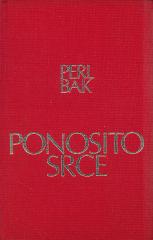
Skriveni cvet

Japanska studentica Josui Sakai i američki poručnik Allen Kennedy zaljubljuju se u poslijeratnom Kyotu. Vjenčaju se u budističkom hramu, ali rasizam i obiteljske prepreke u Americi dovode do tragedije.
Skriveni cvet (1952.) je romantično-dramatični roman američke nobelovke Pearl S. Buck, smješten u poslijeratnu Japan i Ameriku nakon Drugog svjetskog rata. Glavna junakinja Josui Sakai, mlada Japanka iz ugledne obitelji, odrasla u Americi prije rata, vraća se u Japan i studira u Kyotu. Tamo upoznaje američkog poručnika Allena Kennedyja, južnjaka iz Virginije, stacioniranog u okupiranoj Japanu. Među njima se rađa duboka ljubav, unatoč kulturnim i rasnim razlikama. Vjenčavaju se u tajnosti u budističkom hramu, simbolizirajući njihovu želju za jedinstvom izvan društvenih normi.
Kada Allen odlazi u Ameriku, Josui ostaje trudna. On planira dovesti je i dijete, ali suočava se s rasizmom i predrasudama svoje obitelji i južnjačkog društva 1950-ih – brak s Japankom smatra se neprihvatljivim, a mješovito dijete nosi stigmu. Josui, suočena s odbacivanjem i samoćom, prolazi kroz duboku patnju, dok Buck suptilno prikazuje sukob kultura, ljubav preko granica i destruktivnu snagu rasizma.
Roman istražuje teme međurasne ljubavi, identiteta, ženske sudbine i posljedica rata na pojedince. Buck, poznata po dubokom razumijevanju Azije (živjela u Kini), ovdje se okreće Japanu i Americi, kritizirajući američki rasizam i hipokriziju poslijeratnog društva. Stil je emotivan, lirski, s fokusom na unutarnje konflikte likova, bez patetike – tipičan za Buckine romane o sukobu Istoka i Zapada (slično „East Wind: West Wind“).
One copy is available
- Blago oštećenje korica