Buka: Zašto griješimo u prosuđivanju i kako to izbjeći?
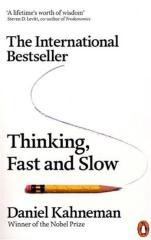
Wenn Ihnen Kahnemans Ansatz gefällt, ist „Noise“ der logische nächste Schritt nach „Schnelles Denken, langsames Denken“. Es zeigt, dass unsere Urteile selbst dann, wenn keine Voreingenommenheit vorliegt, immer noch höchst unzuverlässig sind – und bietet k
Die Autoren beschreiben das Problem nicht nur, sie messen es auch. Sie zeigen, wie sich Störfaktoren durch ein „Rausch-Audit“ aufspüren lassen: Werden dieselben Fälle mehreren Personen zur Beurteilung vorgelegt, ohne dass diese voneinander wissen, sind die Unterschiede oft frappierend groß. Diese Variabilität ist nicht nur eine statistische Kuriosität – sie bedeutet Ungerechtigkeit, finanzielle Verluste, Fehldiagnosen und Fehlurteile.
Das Buch ist nicht nur eine Kritik, sondern bietet auch einen Ausweg. Die Autoren führen den Begriff der Entscheidungshygiene ein, eine Reihe praktischer Schritte, die Störfaktoren drastisch reduzieren können. Der Ton des Buches ist wissenschaftlich, aber dennoch verständlich – voller authentischer Beispiele aus Gerichten, Krankenhäusern, Versicherungen, dem Militär und Unternehmen. Es ist keine trockene Theorie; jedes Beispiel verdeutlicht, wie kostspielig und ungerecht Störfaktoren sind.
Letztendlich zwingt uns Rauschen zu einer beunruhigenden Erkenntnis: Selbst wenn wir unvoreingenommen sind, sind unsere Urteile höchst unzuverlässig, da sie von unzähligen kleinen, zufälligen Faktoren beeinflusst werden. Die gute Nachricht ist: Lärm lässt sich reduzieren – nicht vollständig eliminieren, aber deutlich verringern – und dadurch die Welt ein Stück gerechter, effizienter und verlässlicher machen.
Wenn Sie Kahneman dafür schätzen, dass er Sie dazu anregt, Ihre Denk- und Entscheidungsprozesse zu hinterfragen, ist dieses Buch eine logische Fortsetzung dieser Reise. Es konzentriert sich auf einen anderen, weniger bekannten, aber vielleicht noch gefährlicheren Fehler des menschlichen Geistes.
Angeboten wird ein Exemplar