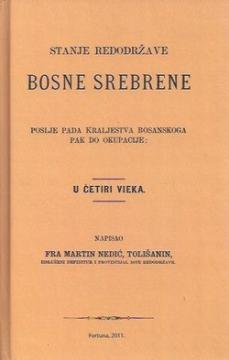
Stanje redodržave Bosne Srebrene
Povijesni prikaz ustroja, djelovanja i kriza Redodržave Bosne Srebrene kroz XVIII. i XIX. stoljeće, s naglaskom na ulogu franjevaca u društvenom, kulturnom i političkom životu Bosne. Pretisak iz 1884. godine.
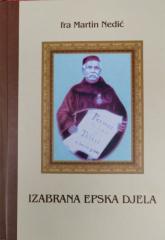
"Stanje redodržave Bosne Srebrene" Martina Nedića predstavlja jedno od ključnih djela za razumijevanje povijesti franjevačke provincije Bosne Srebrene i njezina položaja u širem društvenom i političkom kontekstu osmanske i ranonovovjekovne Bosne. Nedić, franjevac i povjesničar, piše iznutra — kao poznavatelj redovničkog života, ali i kao svjedok napetosti i promjena s kojima se provincija suočavala.
Knjiga se fokusira na ustroj Redodržave, njezine duhovne i organizacijske temelje, način upravljanja, odnose između samostana te formiranje identiteta bosanskih franjevaca. Uz analizu unutarnjih pitanja — redovničke discipline, obrazovanja, odnosa između provincijala i samostana — autor se bavi i širim društvenim okolnostima koje su utjecale na život zajednice. Posebnu pozornost posvećuje odnosima s osmanskim vlastima, ovisnosti o ahdnamama, pravnom statusu franjevaca i njihovoj ulozi kao posrednika između kršćanskog stanovništva i muslimanske administracije.
Nedić prikazuje i razne krize koje su pogađale Redodržavu: od smanjenja broja redovnika, preko unutarnjih sukoba, do gospodarskih i političkih pritisaka koji su se pojačavali prema kraju osmanske vlasti. Istodobno opisuje razgranatu pastoralnu djelatnost franjevaca, njihovu brigu za školstvo, pismenost, sakralnu umjetnost i očuvanje kulturne baštine u zajednicama često prepuštenima same sebi.
Djelo pruža i dragocjene podatke o svakodnevici: uvjetima života u samostanima, putovanju misionara, odnosima s vjernicima i lokalnim uglednicima. Nedićev stil je dokumentaristički, ali povremeno i polemičan, što knjizi daje živost i osobnu perspektivu.
Ovo izdanje omogućuje suvremenom čitatelju uvid u formativno razdoblje bosanskih franjevaca i njihovu ulogu u očuvanju kulturnog i vjerskog identiteta, čineći ga neizostavnim izvorom za povjesničare i istraživače Bosne i Hercegovine.
One copy is available