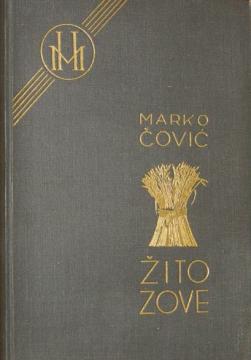
Žito zove
The Grain Calls (1941) is a collection of short stories and novellas by Marko Čović with Bunjevci-Šokac themes. It vividly and lyrically depicts the everyday life of the Croats of Bačka, their customs, work in the fields, love, suffering and longing for t
Marko Čović (Subotica, 1915 – São Paulo, 1983), a Croatian writer, journalist and editor from Bačka, published the collection Žito zove (The Grain Calls) published by Matica hrvatska, Zagreb, 1941. The work represents one of the most significant books of short stories with Bunjevci-Šokac themes in Croatian literature before the mid-20th century.
The collection brings together several shorter prose works in which Čović depicts the life of Croats in Bačka – peasants, workers and petty bourgeois. The title Žito zove symbolizes the call of the land, the fertility of the plains, but also the longing for roots and identity. The author realistically, with warmth and lyrical overtones, describes everyday life: field work, family relationships, customs, religious holidays, first loves, poverty and the internal conflicts of young people between tradition and the modern world.
The vivid characters - strong women, honest peasants and dreamy young men - and rich folkloric details (speech, costumes, customs) are particularly noteworthy. Čović's prose exudes nostalgia for the homeland, but avoids pathos; rather, it emphasizes the joy of life, resilience and spiritual strength of the rebel and shock regiment.
The style is accessible, picturesque and rhythmic, with elements of regional speech. The book was quickly noticed and praised in literary criticism as an authentic depiction of the life of the Croats of Bač. It is part of Čović's wider commitment to the preservation of the Bunjevac-Shoka heritage (along with the novel Doctor of Philosophy and journalistic works).
Today, Žito zove is read as an important document of regional Croatian literature, a testimony to the identity of Croats in Vojvodina, and high-quality lyrical-realistic prose. It is a rare antique edition that is sought after among lovers of Bačka themes.
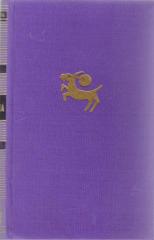
Two copies are available
Copy number 1
- Signature of previous owner
Copy number 2
- Damaged back
- Traces of patina