Collectables
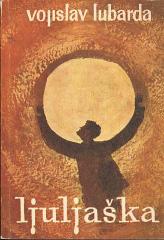
Ljuljaška
Vojislav Lubarda's debut novel, Swing, explores the moral lapses, alienation, and uncertain fate of the individual in post-war society through a psychologically nuanced story about war trauma and ideological conflicts.

Machiavelli i njegova politička nauka: O četiristotoj obljetnici državnikove smrti (1527-1927)
The book Machiavelli and His Political Science by Vinko Lozovina, published in 1928 on the occasion of the 400th anniversary of the death of Niccolò Machiavelli, presents a comprehensive analysis of the life, works, and political thought of this Renaissan
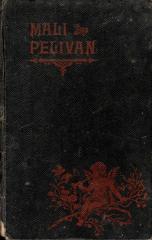
Mali pelivan i druge priče i pjesme za mladež
Mali pelivan i druge priče i pjesme za mladež (The Little Pelivan and Other Stories and Poems for Youth) (1926) is a collection of short stories and poems in which Josip Cvrtila promotes the values of kindness, honesty, faith and perseverance through ch
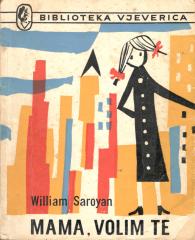
Mama, volim te
"Mama, I Love You", a novel by William Saroyan published in 1956, and in Croatia in 1958 in the "Vjeverica" library, is an autobiographical story told from the perspective of a nine-year-old girl, Twink, inspired by Saroyan's daughter Lucy.
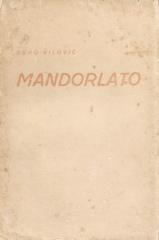
Mandorlato
Mandorlato (1924) is a collection of short stories/novellas from the author's early period of work, marked by psychological portraits, erotic motifs, and social criticism, typical of his controversial interwar oeuvre.
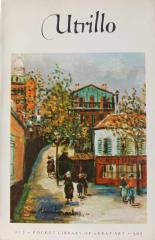
Maurice Utrillo (1883-)
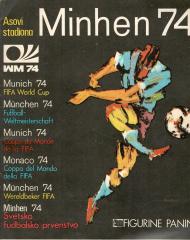
Minhen 74
The album is in excellent condition, almost like new, with no damage to the cover or pages inside. Extremely rarely offered in this condition. 10 thumbnails are missing and the results of the matches are writen out. The picture is authentic.
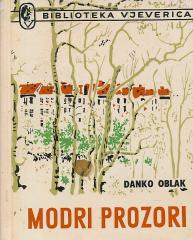
Modri prozori
Danko Oblak brings us a panorama of pre-war and wartime events in Zagreb, projected through the sensitive psyche of a six-year-old who experiences a childhood disrupted first by social misery and then by the dangers of war.
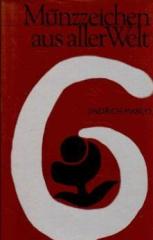
Münzzeichen aus aller Welt