Kolekcionarstvo
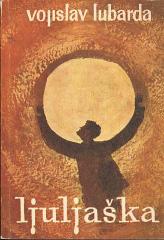
Ljuljaška
Debitantski roman Vojislava Lubarde, „Ljuljaška“, istražuje moralne padove, otuđenje i neizvesnu sudbinu pojedinca u posleratnom društvu kroz psihološki nijansiranu priču o ratnoj traumi i ideološkim sukobima.

Machiavelli i njegova politička nauka: O četiristotoj obljetnici državnikove smrti (1527-1927)
Knjiga Makijaveli i njegove političke nauke Vinka Lozovine, objavljena 1928. godine povodom 400 godina od smrti Nikola Makijavelija, predstavlja sveobuhvatnu analizu života, dela i političke misli ovog renesansnog mislioca.

Mali pelivan i druge priče i pjesme za mladež
Mali pelivan i druge priče i pesme za mlade (1926) je zbirka kratkih priča i pesama u kojima Josip Cvrtila promoviše vrednosti dobrote, iskrenosti, vere i istrajnosti kroz dečja iskustva, maštu i moralne pouke.
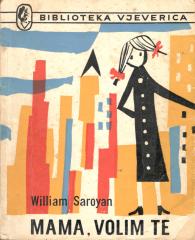
Mama, volim te
„Mama, volim te“, roman Vilijama Sarojana objavljen 1956. godine, a u Hrvatskoj 1958. u biblioteci „Vjeverica“, je autobiografska priča ispričana iz perspektive devetogodišnje devojčice Tvink, inspirisana Sarojanovom ćerkom Lusi.
Mandorlato
Mandorlato (1924) je zbirka kratkih priča/novela iz ranog perioda autorovog rada, obeležena psihološkim portretima, erotskim motivima i društvenom kritikom, tipičnom za njegov kontroverzni međuratni opus.
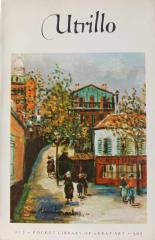

Minhen 74
The album is in excellent condition, almost like new, with no damage to the cover or pages inside. Extremely rarely offered in this condition. 10 thumbnails are missing and the results of the matches are writen out. The picture is authentic.
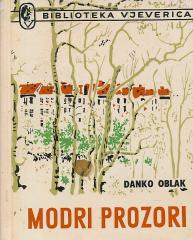
Modri prozori
Danko Oblak donosi nam panoramu predratnih i ratnih dogadaja u Zagrebu projiciranu kroz osjetljivu psihu šestogodišnjaka koji proživljava djetinjstvo poremeceno najprije socijalnom bijedom, a zatim ratnim opasnostima.

Münzzeichen aus aller Welt
Koristan i praktičan alat za sve zainteresirane za kovanice!
Na ishodištu: Književnost u hrvatskim zemljama od 7. do 12. stoljeća
Jedan od najpregnantnijih uvida u književnost prije književnosti, u njezin antički kontinuitet i ranosrednjovjekovne početke. Prvo izdanje.