Latest in the offer
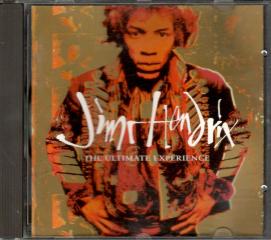
The Ultimate Experience
On the compilation *The Ultimate Experience*, Jimi Hendrix presents classics that transformed the sound of the rock guitar. "Purple Haze," "Hey Joe," and "All Along the Watchtower" blend blues and psychedelia with exceptional energy.
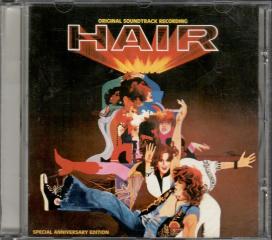
Hair: Original Soundtrack Recording
*Hair* features unforgettable music from the Miloš Forman film—a blend of rock, soul, and the spirit of the hippie generation. With tracks like "Aquarius," "Hair," and "Let the Sunshine In," the soundtrack celebrates freedom, love, and the power of singin

Beggars Banquet
The Rolling Stones' *Beggars Banquet* blends blues, rock, and country into a 1968 classic. Featuring "Sympathy for the Devil" and "Street Fighting Man," it delivers powerful songs, acoustic warmth, and rebellious energy.

Get Yer Ya-Ya's Out!
The Rolling Stones on the concert album Get Yer Ya-Ya's Out! bring the full energy of the 1969 tour. Jumpin' Jack Flash, Midnight Rambler and blues classics reveal the band in a strong playing output.
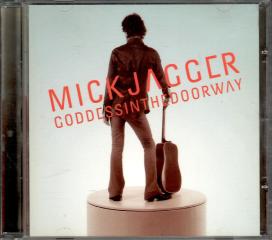
Goddess in the Doorway
On the album *Goddess in the Doorway*, Mick Jagger blends rock, pop, and dance rhythms. With tracks like "God Gave Me Everything" and "Visions of Paradise," he delivers infectious melodies, his signature vocals, and the energy of his solo work.
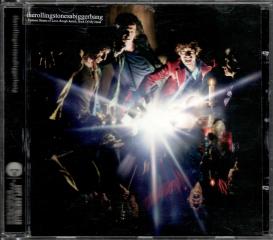
A Bigger Bang
On the album *A Bigger Bang*, The Rolling Stones blend rock, blues, and emotional ballads. "Rough Justice," "Streets of Love," and "Back of My Hand" feature signature riffs and an energy that captivates from the very first listen.

Direktorij za pastoral sakramenata u župnoj zajednici
The "Directory for the Pastoral Care of Sacraments in the Parish Community," issued by the Croatian Bishops' Conference, provides guidelines for the preparation, celebration, and pastoral accompaniment of the sacraments within the life of the Catholic Chu
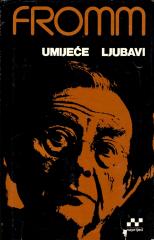
Umijeće ljubavi

In the book *The Art of Loving*, Erich Fromm explores love as a skill that requires knowledge, effort, and responsibility. He distinguishes between different forms of love and emphasizes maturity, respect, and the overcoming of loneliness.
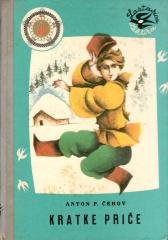
Kratke priče

The collection *Short Stories* by Anton P. Chekhov presents humorous and satirical depictions of everyday life, human weaknesses, social injustices, and absurdities, revealing the author’s keen insight and compassion.
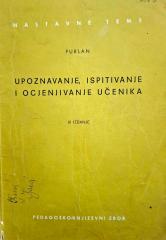
Upoznavanje, ispitivanje i ocjenjivanje učenika
A basic pedagogical-psychological manual that systematically deals with monitoring methodology, dokimology, testing and more objective assessment of students in the educational process.