Discounted books
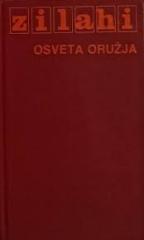
Izabrana dela 5: Osveta oružja

The novel *The Revenge of Weapons* portrays human destinies marked by war, love, and conflict. Through personal tragedies, it explores the consequences of violence, moral dilemmas, and the destructive power of revenge.
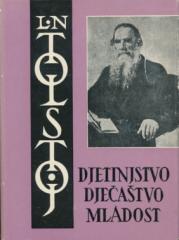
Izabrana djela 11: Djetinjstvo / Dječaštvo / Mladost

Leo Nikolayevich Tolstoy, in his autobiographical trilogy Childhood (1852), Boyhood (1854), and Youth (1857), follows the growing up of Nikolai Irtenyev, a young nobleman whose experience mirrors Tolstoy's own youth.
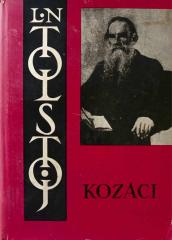
Izabrana djela 8: Kavkaske pripovijetke / Sevastopoljske pripovijetke / Kozaci
The eighth volume of the Selected Works of Leo N. Tolstoy brings together the novel Cossacks, Caucasian Tales, and Sevastopol Tales, works inspired by the author's experiences from military service in the Caucasus and the Crimean War.
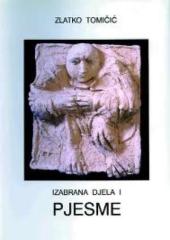
Izabrana djela i pjesme

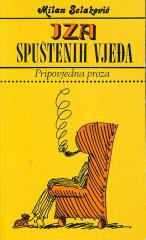
Iza spuštenih vjeđa
This collection of narrative prose features diverse stories and characters, and its title intriguingly suggests mystery and hiddenness.
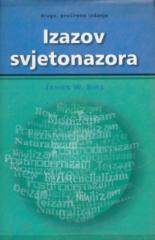
Izazov svjetonazora
In a clear and easy-to-understand manner, W. Sire explains the basics of theism, deism, naturalism, nihilism, existentialism, Eastern monism, and New Age. The book is about the struggle to discover one's own faith, one's own worldview, one's own beliefs.
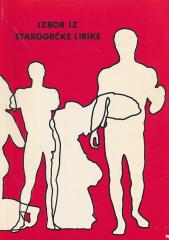
Izbor iz starogrčke lirike
Greek lyric poetry, with its transparent beauty, perhaps shows us one of the potential returns to the unknown, which could once again, but differently, be the path of human poetic cognition.