Rare books

Graničar 1921 – 1971
Monografija o prvih pedeset godina postojanja fudbalskog kluba „Graničar“ iz Županje.

Granta 10: Travel Writing
Granta 10: Putopisi okupljaju vrhunske putopisne eseje i reportaže svetski poznatih autora koji istražuju ljude, kulture, istoriju i mesta širom sveta kroz lična putovanja.

Granta 14: Autobiography
Granta 14: Autobiografija donosi autobiografske eseje i književne spise svetski poznatih autora koji istražuju identitet, porodicu, sećanja, istoriju i umetnost kroz lična iskustva.
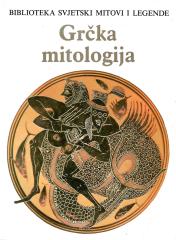
Grčka mitologija
Grčka mitologija Džona Pinseta pruža jasan i sažet prikaz bogova, heroja i mitova antičke Grčke, sa naglaskom na njihovoj simbolici, ulozi u društvu i uticaju na zapadnu civilizaciju.

Gregov dnevnik: Točka na i
Gregov dnevnik: Poslednja bitka je treći deo urnebesno smešnog Gregovog dnevnika. Ovaj urnebesni novi deo će obradovati mnoge fanove ovog omiljenog dečjeg nevaljalca.

Gresi
Epska saga o osveti, ambiciji i opstanku, smeštena u svetu mode, izdavaštva i visokog društva. Roman prati život Helene Žuno, koja se, kao ratno siroče u Francuskoj, penje na vrh međunarodne modne i medijske industrije.
Grešnik
Grešnik (1985), prvi deo trilogije Vreme zla, je istorijski roman smešten u Srbiju između dva svetska rata. Roman prati sudbinu intelektualca Ivana Katića, istražujući teme ideološkog sukoba i sloma društvenih vrednosti u jednom turbulentnom periodu.

Grieben Reiseführer - Dalmatiën: Jugoslawische Adriaküste mit Inseln und Hinterland
Vodič nemačkog izdavača Gribena iz 1938. godine sistematski opisuje Dalmaciju sa njenim ostrvima i zaleđem. Sadrži 18 mapa, 24 ilustracije i praktične napomene za vozače, nudeći rutu po rutu kroz obalu.
Grobnica za Borisa Davidoviča

Sedam priča o revoluciji, ideologiji i političkom teroru otkriva sudbine ljudi uhvaćenih u mehanizme totalitarne vlasti, gde istorija, strah i izdaja određuju ljudske živote.

Guitarist August 2000
Status kvo! Seks, lekovi, bajpasi srca i transplantacija kose. Ali Kuoovi Rossi, Parfitt i Rhino nastavljaju da sviraju širom sveta.