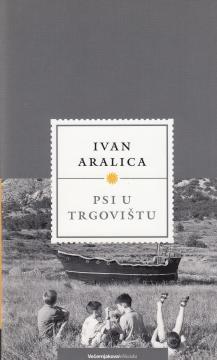
Psi u trgovištu

Psi u trgovištu

Ivan Aralica

Ivan Aralica's novel Dogs in the Market Place (1986) is set in 18th-century Dalmatia, during the period of Venetian rule. The work is a historical novel with elements of philosophical reflection, characteristic of Aralica's style.

The plot follows the fate of a young nobleman, Andrija, who returns to his hometown after studying in Italy. Faced with corruption, hypocrisy, and power struggles in the marketplace, Andrija tries to preserve his ideals, but comes into conflict with local powerful people and their intrigues. The novel depicts the conflict between the individual and the community, where the individual struggles against moral failure and social norms. The titular "dogs" symbolize greed, betrayal, and moral degradation that permeates the marketplace, but also the wider society.

Through layered characters and rich descriptions, Aralica creates a picture of life in Dalmatia, where Venetian influences, local customs, and internal conflicts mix. Issues of justice, honor, and freedom permeate the story, while Andrija faces dilemmas about loyalty to family, love, and his own beliefs. The novel stands out for Aralica's ability to combine historical context with universal themes, such as the struggle for integrity in a corrupt world.

Dogs in the Market is a strong critique of social injustices, but also a meditation on human strength to resist evil, making it an important piece of Croatian literature.

Urednik
Branka Primorac, Seid Serdarević
Ilustracije
Stanko Abadžić
Naslovnica
Vanja Cuculić
Dimenzije
21 x 13 cm
Broj strana
355
Nakladnik
Večernji list, Zagreb, 2004.
 
Latinica. Tvrde korice s ovitkom.
Jezik: Hrvatski.
ISBN
978-9-53716-100-2

Dva primjerka su u ponudi

Primjerak broj 1

Stanje:Nekorišteno
Dodano u košaricu!

Primjerak broj 2

Stanje:Korišteno, u odličnom stanju
Dodano u košaricu!
 

Zanima Vas i neka druga knjiga? Možete pretražiti našu ponudu pomoću tražilice ili prelistati knjige po kategorijama.

Možda će Vas zanimati i ovi naslovi

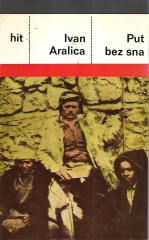
Put bez sna

Put bez sna

Ivan Aralica

The Journey Without Sleep is the first part of Aralica's exile tetralogy. The novel follows the migration of Croats from Rama in 1687 and the fate of Friar Pavle Vučković, Šimun Grabovac, and their people in the face of the Ottoman threat.

Znanje, 1987.
Hrvatski. Latinica. Tvrde korice s ovitkom.
4,28 - 9,98
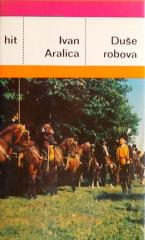
Duše robova

Duše robova

Ivan Aralica

Ivan Aralica's Souls of Slaves is a historical novel depicting the life of the Croatian people under Ottoman rule. The work explores issues of freedom, identity, religion, and human dignity.

Znanje, 1988.
Hrvatski. Latinica. Tvrde korice s ovitkom.
5,303,97
Ili jesmo ili nismo

Ili jesmo ili nismo

Slavko Kolar

Either We Are or We Are Not (1933) is Slavko Kolar's most famous collection of short stories. With a satirical and warm sense of humor, Kolar depicts the life of the Croatian village and the common man in interwar Yugoslavia – electoral fraud, bureaucracy

Matica hrvatska, 1933.
Hrvatski. Latinica. Tvrde korice.
9,26
Nikome nema povratka

Nikome nema povratka

Alba de Céspedes

No Return (1938) follows the lives of eight young women in a Roman student dormitory, their loves, ambitions, and fates in Italian society before World War II, showing that the past cannot be returned or escaped from itself.

Nakladni zavod Ante Velzek, 1941.
Hrvatski. Latinica. Tvrde korice.
Knjiga se sastoji od dva toma
12,42
Dani jada i glada

Dani jada i glada

Ivan Softa

A novel by Ivan Softa about life in a Herzegovinian village during World War I. It realistically and poignantly depicts misery, hunger, disease, war mobilization, and the suffering of peasants, condemning war and social injustices.

Matica hrvatska, 1937.
Hrvatski. Latinica. Tvrde korice.
9,72 - 11,34
Nemirni mir

Nemirni mir

Ivan Softa

Uneasy Peace (1940) depicts the life of Herzegovinian peasants after World War I, their emigration to Slavonia, the difficult struggle for survival and inner unrest in the apparent peace of the post-war period.

Matica hrvatska, 1940.
Hrvatski. Latinica. Tvrde korice.
6,44 - 11,52