Političko-povijesni eseji

Rusija, Kina i Zapad: suvremena kronika događaja 1953.–1966.
Ova zbirka političkih eseja i analiza Isaaca Deutscher-a obuhvaća ključne događaje u razdoblju od 1953. do 1966. godine, pružajući uvid u odnose između Sovjetskog Saveza, Kine i zapadnih sila.

Sarajevski eseji: politika, ideologija i tradicija
Šta je moguće činiti pred tajnom povjerenja kao posredovanog odnosa među ljudima i nepoznanicom pouzdanja kao mračnim sadržajem slobode i međusobnim djelovanjima ljudi?

Savremena Evropa ili karakteristika evropskih država i naroda
Savremena Evropa (1905.) političko-je publicističko djelo Stjepana Radića u kojem autor analizira europske države, narode, kulture i političke sustave te mjesto slavenskih naroda u suvremenoj Europi.
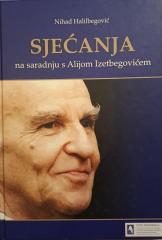
Sjećanja na saradnju s Alijom Izetbegovićem
Knjiga Nihada Halilbegovića predstavlja memoarsko svjedočenje o dugogodišnjoj profesionalnoj i ličnoj saradnji s Alijom Izetbegovićem, prvim predsjednikom nezavisne Bosne i Hercegovine.

Slobodna: Odrastanje na kraju povijesti
"Slobodna" je memoarska proza o odrastanju usred političkih previranja, o jednoj obitelji čija je povijest isprepletena s poviješću zemlje, ujedno i pronicavo promišljanje o granicama napretka i teretu prošlosti.

Socijalno pitanje
Socijalno pitanje (1926.) je kraća studija katoličkog pristupa socijalnim problemima. Nastala iz predavanja Hrvatskog katoličkog pokreta, obrađuje radničko pitanje, nejednakost i kršćanska rješenja nasuprot socijalizmu i liberalizmu.
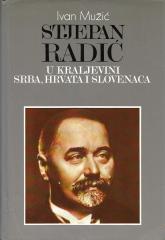
Stjepan Radić u Kraljevini Srba, Hrvata i Slovenaca
Detaljna biografija Stjepana Radića u razdoblju od 1918. do njegove smrti 1928. godine. Autor koristi arhivsku i drugu dokumentaciju kako bi pružio novo vrednovanje hrvatske povijesno-političke stvarnosti između dva svjetska rata.

Što je Opus Dei? Priče o Bogu, krvi, novcu i vjeri
Katolički pokret Opus Dei, osnovan 1928. u Španjolskoj kao mala pobožna skupina, danas je jedna od najutjecajnijih i najbogatijih crkvenih organizacija na svijetu – s milijunima članova, sjedištem u New Yorku vrijednim milijarde i granama diljem planeta.
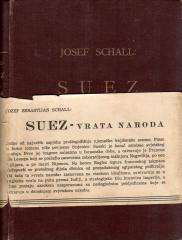
Suez: Vrata naroda
Impresivan povijesni roman o jednom od najvećih inženjerskih podviga u povijesti čovječanstva – izgradnji Sueskog kanala, o viziji, patnji i genijalnosti Ferdinanda de Lessepsa koji je spojio narode i mora usred pustinje.
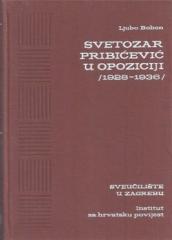
Svetozar Pribićević u opoziciji (1928-1936)
Jedno od bitnih obilježja Pribićevićeve politike jest kontinuirani proces transformacije i dograđivanja stavova i kncepcija. On je pratio prilike oko sebe, u zemlji i inozemstvu, i često neposredno reagirao na njih, iznosio o njima svoja gledišta...