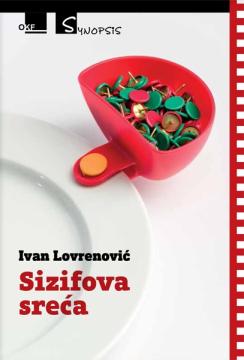
Sizifova sreća - razgovori, kronike

Sizifova sreća - razgovori, kronike

Ivan Lovrenović

Ivan Lovrenovićs Sammlung dokumentiert dreißig Jahre des Wandels in Bosnien und Herzegowina anhand von Interviews, Essays und Dialogen. Der Autor, ein Zeitzeuge dieser Ära, untersucht alte Denkweisen in der neuen Realität und betont den Verfall von Ration

Das in vier Teile gegliederte Buch strahlt Resignation, Misstrauen und Selbstironie aus und kritisiert Ideologien, Nationalismen und historische Brüche, ohne dabei zynisch zu wirken.

Teil Eins: Wir sind mächtig im Bösen. Sechs Interviews (1989–2018) über Krieg, Völkermord, Nationalismus und Kultur. Lovrenović spricht über Sarajevo, die Teilung der Herzegowina, die Rolle von Intellektuellen und Medien in der Propaganda und beleuchtet die „Macht des Bösen“ beim Zerfall Jugoslawiens.

Teil Zwei: Das Land der Friedhöfe. Chroniken aus den Jahren 2015–2016, kurze Essays zur bosnischen Vergangenheit: „Die Legende von Enver Čolaković“, „Zwei herzegowinische Kroaten“, „Gottessucher, die nach Gewalt dürsten“, „Milorad Ekmečić: ‚Wir blicken durch die Dunkelheit in die Zukunft‘“, „Der Krieg um die Sprache“, „Der falsche Schriftsteller Meša Selimović“, „Das serbische Mostar“, „Sarajevo – eine muslimische Stadt?“, „Radovan Karadžićs friedliches Gewissen“. Schwerpunkte: Erinnerung, Verbrechen und Identität.

Teil Drei: Dialog. Ein Gespräch mit Enver Kazaz (2009), inspiriert von Roger Bacon: „Die Seele kann nicht in der Wahrheit ruhen, bis der Körper im Feuer der Erfahrung verbrannt ist.“ Eine tiefgründige Auseinandersetzung mit Literatur, Geschichte und Ethik im postjugoslawischen Chaos. Teil Vier: Beiträge. Texte anderer Autoren und Kommentare Lovrenovićs ergänzen die vorangegangenen Themen, etwa Analysen von Völkermord und kulturellen Tabus.

Das Buch als Sisyphusarbeit: den Stein der Wahrheit immer wieder den Berg hinaufzuwälzen und das Glück in der Vergeblichkeit des Widerstands gegen das Böse zu feiern.

Dimenzije
20 x 14 cm
Broj strana
383
Izdavač
Synopsis, Sarajevo, 2018.
 
Latinica. Broširano.
Jezik: Hrvatski.
ISBN
978-9-94036-082-5

Jedan primerak je u ponudi

Stanje:Korišćeno, u odličnom stanju
Dodato u korpu!
 

Zanima Vas i neka druga knjiga? Možete pretražiti našu ponudu pomoću pretrage ili prelistati knjige po kategorijama.

Možda će Vas zanimati i ovi naslovi

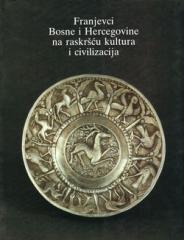
Franjevci Bosne i Hercegovine na raskršću kultura i civilizacija

Franjevci Bosne i Hercegovine na raskršću kultura i civilizacija

Đuro Basler, Jelena Ivoš, Ljubo Jandrić, Ivan Lovrenović, Marko Oršolić, Svetlana Rakić
Muzej MTM, 1988.
Hrvatski. Latinica. Broširano.
13,67
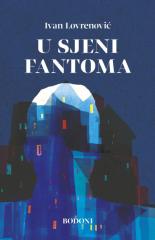
U sjeni fantoma

U sjeni fantoma

Ivan Lovrenović

In the shadow of the phantom is a real intellectual pleasure and belongs to the group of the greatest literary achievements in the South Slavic language area. Such novels cannot even be created all at once, but are created over decades, and as the author

Bodoni, 2023.
Hrvatski. Latinica. Tvrde korice s omotom.
19,56
Ulazeći u Varcar

Ulazeći u Varcar

Ivan Lovrenović

The hybrid book – a novel, poem and essay in one – is a dedication to his native Varcar, a small village in central Bosnia, where the author's roots intertwine with the history, myth and chaos of the 20th century.

Fraktura, 2016.
Hrvatski. Latinica. Tvrde korice s omotom.
14,42
Sol, ovce i kamenje

Sol, ovce i kamenje

Magdaléna Platzová

A fresh, uninhibited literary view of Dalmatia. Four stories about Dalmatia told in the manner of the best pages of Czech literature. Bringing to life the scents of salt and sea, the author writes vivid prose full of color and flavor.

Fraktura, 2006.
Hrvatski. Latinica. Broširano.
8,54
Why We Suck: A Feel Good Guide to Staying Fat, Loud, Lazy and Stupid

Why We Suck: A Feel Good Guide to Staying Fat, Loud, Lazy and Stupid

Denis Leary

A satirical, uncompromising and highly provocative book by Denis Leary, comedian and stand-up artist, written in the form of a long, cynical, swearing and aggressive monologue that reads like an extended stand-up performance on paper.

Penguin books, 2009.
Engleski. Latinica. Broširano.
6,36
Kako što nastaje: novine, film, teatar

Kako što nastaje: novine, film, teatar

Karel Čapek

In a witty and instructive essay, Čapek describes how a newspaper, a film, and a theater play are created. Through humor and irony, he shows the complexity of the process – from idea to realization – and the different perspectives of the participants, dem

Znanje, 1985.
Hrvatski. Latinica. Broširano.
4,76