
Narziß und Goldmund
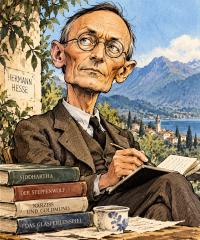
U romanu „Narcis i Zlatoust“, Herman Hese prati dva prijatelja: asketskog monaha Narcisa i umetnički nemirnog Zlatousta, koji tragaju za smislom života kroz lutanja, ljubav i patnju.
Narcis i Zlatoust je roman Hermana Hesea koji istražuje odnos između duha i tela, razuma i emocija, asketizma i životnih strasti. Radnja počinje u srednjovekovnom manastiru Marijabron, gde se sreću dva mladića sa potpuno različitim ličnostima. Narcis je ozbiljan, zamišljen i posvećen duhovnom životu. Veruje u red, disciplinu, znanje i služenje Bogu. Zlatoust, s druge strane, je osetljiv, lep, instinktivan i otvoren za svet čula. Iako ga otac šalje u manastir da postane monah, Narcis brzo prepoznaje da Zlatoust nije stvoren za monaški život.
Njihovo prijateljstvo postaje ključno za Zlatousta. Narcis mu pomaže da shvati da se njegova prava priroda ne nalazi u odricanju od sveta, već u iskustvu, ljubavi, umetnosti i kontaktu sa životom. Zlatoust napušta manastir** i kreće na dugo putovanje. Usput upoznaje žene, strast, lepotu, smrt, bolest i nasilje. Njegov život postaje niz snažnih iskustava, ali i bolnih gubitaka. Kroz susrete sa ljudima i kroz sopstvene greške, on postepeno sazreva i počinje da shvata prolaznost svega zemaljskog.
Važan deo romana je Zlatoustovo otkriće svog umetničkog poziva. U vajaru pronalazi učitelja i shvata da može da oblikuje ono što je doživeo. Umetnost mu omogućava da iskustva ljubavi, majčinstva, smrti i čežnje transformiše u trajne oblike. Međutim, čak ni umetnost mu ne donosi potpuni mir. On ostaje rastrzan između želje za slobodom i potrebe za smislom.
Na kraju, Zlatoust se vraća Narcisu, sada igumanu manastira. Njihov ponovni susret pokazuje da nijedan životni put nije potpun sam po sebi. Narcis predstavlja duh, misao i veru, a Zlatoust predstavlja senzualnost, kreativnost i iskustvo. Roman ne daje jednostavan odgovor o tome koji je put pravi, već prikazuje čoveka kao biće koje traži ravnotežu između suprotstavljenih sila. Kroz njih dvoje, Hese govori o prijateljstvu, umetnosti, prolaznosti i potrebi da svako pronađe svoju istinu.
Jedan primerak je u ponudi