Osnove teologije
Rijetka knjiga

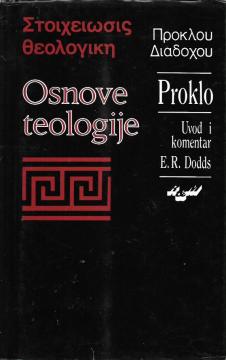
Osnove teologije

Proklo

Proclus Diadochos (412–485), a Neoplatonist philosopher, systematically presents his metaphysical and theological philosophy, based on the Platonic tradition, with the influence of Plotinus and Iamblichus, in his work Elements of Theology (Elementatio The

The work is structured as a series of axioms and propositions, logically connected, with the aim of explaining the nature of reality, God, and the relationship between the one and the many.

Proclus begins with the concept of the One (to Hen), an absolute, transcendent principle above all categories, which is the source of all that exists. All that exists emanates from the One through a series of hierarchically ordered levels: Mind (Nous), Soul (Psyche), and the material world. Each level participates in the higher, but is limited by its nature. Proclus introduces the concept of henadas, divine units that mediate between the One and the lower levels, allowing for diversity within unity.

The central theme is causality: everything emanates from the One, but causes remain present in their effects, and effects return to their causes (procession and return). Proclus also considers time and eternity, where eternity is a property of higher beings, while time is a characteristic of lower, changing levels.

The work is significant because it synthesizes Neoplatonism into a coherent system, influencing Christian theology (e.g. Pseudo-Dionysius) and medieval philosophy. Proclus' rigor and logical precision make the Foundations of Theology a key text for understanding Neoplatonist metaphysics.

Naslov izvornika
Στοιχείωσις θεολογική
Prijevod
Antun Slavko Kalenić
Urednik
E. R. Dodds
Naslovnica
Ratko Janjić-Jobo
Dimenzije
23 x 15 cm
Broj strana
418
Nakladnik
Naprijed, Zagreb, 1997.
 
Latinica. Tvrde korice s ovitkom.
Jezik: Hrvatski.

Nema primjeraka u ponudi

Poslednji primjerak je nedavno prodan.


Zanima Vas i neka druga knjiga? Možete pretražiti našu ponudu pomoću tražilice ili prelistati knjige po kategorijama.

Možda će Vas zanimati i ovi naslovi

Anđeoski naučitelj: Sveti Toma Akvinski

Anđeoski naučitelj: Sveti Toma Akvinski

Jacques Maritain

The book by Jacques Maritain, a French philosopher, written in the spirit of neo-Thomism, presents Thomas as a key figure in Western thought, whose philosophy and theology offer answers to the spiritual and intellectual challenges of the modern age.

Zadruga Eneagram, 2011.
Hrvatski. Latinica. Broširano.
16,24
Što dolazi nakon smrti? Umijeće življenja i umiranja

Što dolazi nakon smrti? Umijeće življenja i umiranja

Anselm Grün
Kršćanska sadašnjost, 2011.
Hrvatski. Latinica. Broširano.
8,35
Razmeđa azijskih filozofija 1-2

Razmeđa azijskih filozofija 1-2

Čedomil Veljačić

The two great Asian cultures, Indian and Chinese, reach the peak of their development in the middle of the last millennium of the old era, in a period that is called axial in the history of culture.

Sveučilišna naklada Liber (SNL), 1978.
Hrvatski. Latinica. Tvrde korice s ovitkom.
Knjiga se sastoji od dva toma
36,96
Knjiga životnih zakona: 200 vječnih duhovnih načela

Knjiga životnih zakona: 200 vječnih duhovnih načela

John Marks Templeton

The book of life laws is full of wisdom that the author draws from the sacred writings of the most important world religions and various schools of philosophical thought, as well as from scientists, artists, historians...

Mozaik knjiga, 1999.
Hrvatski. Latinica. Tvrde korice.
14,38
Mistika

Mistika

Louis Gardet

The book deals with an in-depth analysis of mystical experiences in different religious traditions, with an emphasis on Christianity and Islam. Gardet, a French theologian and orientalist, explores mysticism as a universal phenomenon that transcends cultu

Kršćanska sadašnjost, 1983.
Hrvatski. Latinica. Broširano.
7,32
Vedanta: Glas slobode

Vedanta: Glas slobode

Swami Vivekananda

A collection of writings by the Indian philosopher and spiritual teacher, published posthumously, based on his speeches and writings. Svāmī Ćetanananda selected 104 essays from the mature period of Svāmī Vivekānanda, from 1893 to his death in 1902.

Naprijed, 1992.
Hrvatski. Latinica. Tvrde korice s ovitkom.
18,26