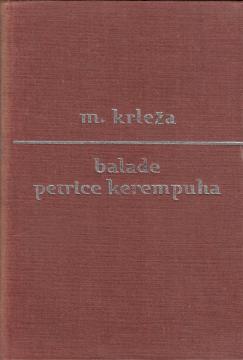
Balade Petrice Kerempuha

Balade Petrice Kerempuha

Miroslav Krleža

The Ballads of Petrica Kerempuh is a collection of poems by Miroslav Krleža, published in 1936, in which the poet, through the character of the folk sage and satirist Petrica Kerempuh, depicts the difficult history of the Croatian people, especially the p

Krleža uses grotesque, irony and dark humor to depict centuries-old suffering, rebellions and suffering of oppressed people, especially in the context of feudal and church repression. Historical motifs intertwine with surreal images and strong symbolism, while Petrica Kerempuh, a wanderer and folk entertainer, becomes a messenger of truth and a rebel against injustice.

The collection contains poems such as "Khevenhiller", "Mali meštar Bibibibi" and "Ni med cvetjem ni pravice", in which the author speaks of bloody conflicts, betrayals and illusions of a people who eternally suffer under the boot of those in power.

The collection is written in the Kajkavian dialect, which gives Krleža authenticity and strong expression to folk speech and tradition. Krleža's combination of Kajkavian expression, historical references and expressionist poetics makes this collection one of the most important achievements of Croatian literature.

Urednik
Anđelko Malinar
Ilustracije
Krsto Hegedušić
Dimenzije
20 x 14 cm
Broj strana
206
Izdavač
Zora, Zagreb, 1970.
 
Latinica. Tvrde korice.
Jezik: Hrvatski.

Nema primeraka u ponudi

Poslednji primerak je nedavno prodat.
 

Zanima Vas i neka druga knjiga? Možete pretražiti našu ponudu pomoću pretrage ili prelistati knjige po kategorijama.

Možda će Vas zanimati i ovi naslovi

Izabrane pjesme

Izabrane pjesme

Miroslav Krleža
Matica hrvatska, 1963.
Hrvatski. Latinica. Tvrde korice s omotom.
9,99
Na rubu pameti

Na rubu pameti

Miroslav Krleža
Jutarnji list, 2004.
Hrvatski. Latinica. Tvrde korice s omotom.
5,26
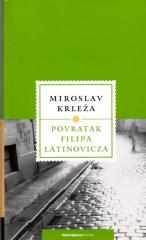
Povratak Filipa Latinovicza

Povratak Filipa Latinovicza

Miroslav Krleža

The Return of Filip Latinovicz is one of Miroslav Krleža's most famous novels. This novel is significant in our literature because it is considered the first fully modern Croatian novel.

Večernji list, 2004.
Hrvatski. Latinica. Tvrde korice s omotom.
5,52 - 5,56
Pripovijetke

Pripovijetke

Nikolaj Vasiljevič Gogolj

A classic Croatian edition with a selection of the most famous stories by Gogol - a master storyteller who combines humor, the grotesque, fantasy, and deep social satire.

Kultura, 1950.
Hrvatski. Latinica. Tvrde korice.
9,52
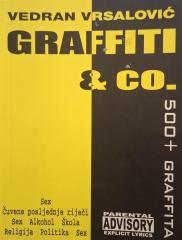
Grafiti & co

Grafiti & co

Vedran Vrsalović

500+ graffiti

Grafiti & co, 2006.
Hrvatski. Latinica. Broširano.
4,98
Gradić gdje je vrijeme stalo

Gradić gdje je vrijeme stalo

Bohumil Hrabal

Bohumil Hrabal, a Czech writer known for his lyrical grotesque and humor, in his novel The Town Where Time Stood Still evokes childhood in the small town of Libeň (part of Prague), where time seems to stand still in a magical but melancholic world.

Hena Com, 2006.
Hrvatski. Latinica. Broširano.
7,626,10