Moskva – Petuški
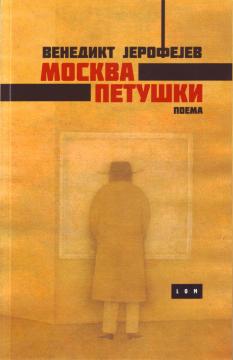
Venedikt Yerofeyevs postmodernes Prosagedicht gilt heute als Klassiker der neuen russischen Literatur. Es wird aufgrund seiner Poetik des Absurden, der Satire und der metaphysischen Tiefe mit Gogol und Charms verglichen.
Moskau – Petuschki ist ein postmodernes Prosagedicht von Wenedikt Jerofejew (1938–1990), das 1969/70 im Samisdat entstand und erst 1989 (während der Perestroika) in Russland veröffentlicht wurde. Heute gilt es als Klassiker der neuen russischen Literatur und als letzter großer sowjetischer Mythos. Aufgrund seiner Poetik des Absurden, der Satire und der metaphysischen Tiefe wird es mit Gogol und Charms verglichen.
Die Geschichte ist pseudo-biografisch: Der lyrische Held Wenitschka (das Alter Ego des Autors) ist ein dreißigjähriger, alkoholkranker Intellektueller, der seinen Job verliert, weil er Diagramme über den Alkoholkonsum seiner Angestellten angefertigt hat. Am Freitagmorgen erwacht er nach mehreren Tagen der Trunkenheit in einem fremden Treppenhaus in Moskau und kann sich an nichts erinnern. Er will nach Petuschki (eine reale Stadt 125 km östlich von Moskau) – ein ideales, utopisches Paradies der Liebe, wo eine „einzigartige“ Geliebte und ein dreijähriger Sohn (nicht unbedingt sein eigener) auf ihn warten. Am Bahnhof Kursk kauft er Alkohol und besteigt einen Elektrozug.
Die Fahrt ist ein alkoholischer Monolog: Venitschka mixt unglaubliche Cocktails („Die Träne einer Kermesinka“, „Der erste Kuss“, „Die Tränen einer Hündin“), unterhält sich mit Mitreisenden, Engeln, Dämonen, Gott, zitiert die Bibel (die Worte Christi, das Neue Testament, Tod und Auferstehung), russische Literatur, die sowjetische Presse, philosophiert über das russische Volk („Wir sind alle wie Betrunkene, aber jeder auf seine Weise: Der eine lacht der Welt ins Gesicht, der andere weint an seiner Brust“), Vergänglichkeit, Seelenlähmung und frühreifen Mut. Petuschki wird zur Metapher für ein unerreichbares Paradies – je mehr er trinkt, desto mehr verliert er die Orientierung.
In Wirklichkeit erreicht Venitschka Petuschki nie: Im Delirium kehrt er nach Moskau zurück, wo er im Vorbeigehen von Unbekannten angegriffen und in den Hals gestochen wird (der Autor starb später, 1990, an Kehlkopfkrebs). Der Roman ist zyklisch – er beginnt und endet in Moskau, ohne den Kreis zu verlassen.
Mit Humor, Ironie, Blasphemie und Lyrik kritisiert Jerofejew die sowjetische Realität: die Absurdität der Bürokratie, die spirituelle Leere, in der Alkohol zum einzigen Ausweg aus dem „absoluten Verfall der Gesellschaft“ wird. Alkohol ist der Motor der Geschichte und ein Symbol – von der Euphorie zur Tragödie. Zitate aus der Bibel, von Gogol, Dostojewski, Byron und sowjetischer Propaganda schaffen eine dichte Intertextualität.
Jedan primerak je u ponudi