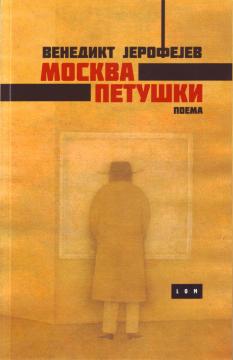
Moskva – Petuški
Postmoderna poema u prozi Venjedikta Jerofejeva danas se smatra klasikom nove ruske književnosti. Uspoređuje se s Gogoljem i Harmsom zbog poetike apsurda, satire i metafizičke dubine.
Moskva – Petuški je postmoderna poema u prozi Venjedikta Jerofejeva (1938.–1990.), napisana 1969.–1970. u samizdatu, u Rusiji objavljena tek 1989. (u vrijeme perestrojke), a danas se smatra klasikom nove ruske književnosti i posljednjim velikim sovjetskim mitom. Uspoređuje se s Gogoljem i Harmsom zbog poetike apsurda, satire i metafizičke dubine.
Priča je pseudobiografska: lirski junak Venička (alter ego autora) je tridesetogodišnji intelektualac-alkoholičar, otpušten s posla jer je crtao dijagrame koliko su radnici pili. U petak ujutro budi se u nepoznatom stubištu u Moskvi nakon višednevnog pijanstva, ne sjećajući se ničega. Želi otići u Petuški (stvarni gradić 125 km istočno od Moskve) – idealni, utopijski prostor ljubavi, gdje ga čeka „neponovljiva“ ljubavnica i trogodišnji sin (ne nužno njegov). Na Kurskom kolodvoru kupuje alkohol i ulazi u električni vlak.
Putovanje je alkoholni monolog: Venička miješa nevjerojatne koktele („suza kermesinka“, „prvi poljubac“, „suze kučke“), razgovara sa suputnicima, anđelima, demonima, Bogom, citira Bibliju (Kristove riječi, Novi zavjet, smrt i uskrsnuće), rusku književnost, sovjetsku štampu, filozofira o ruskom narodu („svi smo kao pijani, ali svatko na svoj način: jedan se smije svijetu u lice, drugi plače na grudima“), efemernosti, paralizi duše, hrabrosti od malih nogu. Petuški postaju metafora nedostižnog raja – što više pije, to više gubi orijentaciju.
U stvarnosti Venička nikad ne stiže u Petuški: u deliriju se vraća u Moskvu, gdje ga u prolazu napadnu nepoznati ljudi i ubiju nožem u vrat (autor je kasnije umro od raka grla 1990.). Roman je cikličan – počinje i završava u Moskvi, bez izlaska iz kruga.
Jerofejev kroz humor, ironiju, bogohuljenje i lirizam kritizira sovjetsku stvarnost: apsurdnost birokracije, duhovnu prazninu, gdje alkohol postaje jedini izlaz iz „apsolutne truleži društva“. Alkohol je motor priče i simbol – od euforije do tragedije. Citati iz Biblije, Gogolja, Dostojevskog, Bajrona i sovjetske propagande stvaraju gustu intertekstualnost.
One copy is available