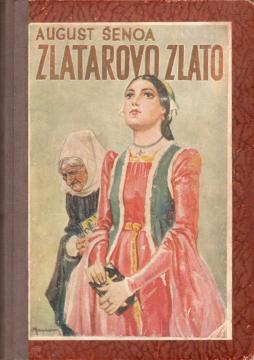

Zlatarovo zlato
Antikvitet
Retka knjiga

Zlatarovo zlato

August Šenoa

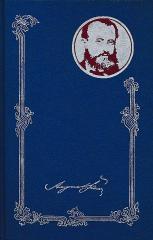
The book 15 Collected Works of August Šenoa is the first Croatian historical novel, published in serial form in Vienac in 1871. The work is the foundation of Šenoa's era (proto-realism) and is one of the most widely read works of Croatian literature.

The action takes place in Zagreb and its surroundings at the end of the 16th century (1574–1579), during the reign of Emperor Max II and the bans Đuro Drašković and Krsto Ungnad. The novel has two parallel plots that intertwine: historical (the conflict between the citizens of Zagreb and the powerful nobleman Stjepko Gregorijanec over Medvedgrad and influence on the government) and love (the forbidden love between Pavle, the son of Stjepko Gregorijanec, and Dora Krupić, the daughter of the prominent goldsmith Petar Krupić). Class differences, intrigues, and revenge prevent the happiness of the young people. The key villains are the treacherous Grga Čokolin and the vengeful Klara Grubarova, while the positive figures include the faithful Jerko (Pavle's half-brother) and the brave Miloš Radak.

Šenoa masterfully depicts the life of old Zagreb: streets, customs, conflicts between the rising bourgeoisie and the declining nobility, with realistic details, romantic descriptions of love and adventurous elements (kidnappings, disguises, poisons). The work exudes patriotism and criticism of foreign influence, and is based on archival documents of the city of Zagreb. Dora symbolizes “goldsmith’s gold” – the purity, beauty and value of the bourgeois class. The tragic ending (Dora’s death from poison, Pavlo’s death) emphasizes the powerlessness of the individual in the face of social forces and revenge.

The 1943 edition (Book I. Collected Works) is equipped with illustrations/drawings by Andrija Maurović, the legendary father of Croatian comics and a master of illustration. Maurović did the cover and interior illustrations for this edition. His dynamic, expressive style fits perfectly with the romantic-historical tone of the novel – dramatic scenes, 16th-century costumes, Zagreb streets and characters gain a strong visual identity. This edition is prized among collectors precisely because of Maurović's equipment.

Urednik
Ivan Krmpotić
Ilustracije
Andrija Maurović
Naslovnica
Andrija Maurović
Dimenzije
20 x 14 cm
Broj strana
280
Izdavač
St. Kugli, Zagreb, 1943.
 
Latinica. Tvrde korice.
Jezik: Hrvatski.

Jedan primerak je u ponudi

Stanje:Korišćeno, u odličnom stanju
Oštećenja / nepogodnosti:
  • Restored spine
Dodato u korpu!
 

Zanima Vas i neka druga knjiga? Možete pretražiti našu ponudu pomoću pretrage ili prelistati knjige po kategorijama.

Možda će Vas zanimati i ovi naslovi

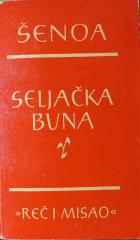
Seljačka buna

Seljačka buna

August Šenoa
Rad, 1964.
Srpski. Latinica. Broširano.
2,98 - 2,99
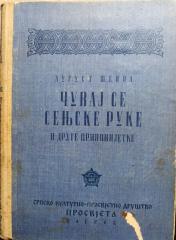
Čuvaj se Senjske ruke

Čuvaj se Senjske ruke

August Šenoa
SKD Prosvjeta, 1951.
Srpski. Ćirilica. Tvrde korice.
9,99
Čuvaj se Senjske ruke

Čuvaj se Senjske ruke

August Šenoa
Zora, 1962.
Hrvatski. Latinica. Broširano.
4,88 - 4,99
Uzorana ledina

Uzorana ledina

Mihail Šolohov

The novel is set in a Cossack community on the Don River during collectivization in the Soviet Union. The work, divided into two parts, follows the dramatic changes in the village of Gremyachi Log as the Bolsheviks introduce collective farms, which provok

Sveučilišna naklada Liber (SNL), 1980.
Hrvatski. Latinica. Tvrde korice s omotom.
8,32
Gladno brdo

Gladno brdo

Daphne Du Maurier

Hungry Hill (1943) is a saga of five generations of the Anglo-Irish Brodrick family, owners of Clonmere Castle in Ireland. Du Maurier, a master of Gothic prose, weaves together folklore, curses, and social change, showing how greed destroys heirs.

Nakladni zavod Matice hrvatske, 1977.
Hrvatski. Latinica. Tvrde korice s omotom.
5,32
Šoše

Šoše

Isaac Bashevis Singer

"Shosha" (1978) is an intimate and tragic story set in the Jewish community of Warsaw before World War II. Written with warmth and deep humanism, the novel is a moving portrayal of a lost world and the universal search for love.

BIGZ, 1989.
Srpski. Latinica. Tvrde korice s omotom.
7,34