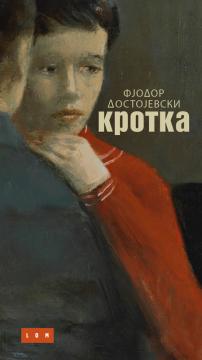
Pisma iz progonstva / Zimske beleške o letnjim utiscima / Krotka
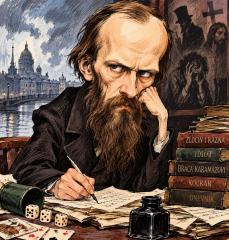
Fjodor Dostojevski, jedan od najvećih pisaca i vizionara u povijesti, predstavljen je u ovom izdanju izborom iz prepiske (Pisma iz progonstva), prikazom prvog svog putovanja po Europi (Zimske beleške o letnjim utiscima) i čuvenom novelom Krotka.
- Pisma iz progonstva su izabrana pisma iz razdoblja Dostojevskijevog progonstva (1849.–1859.): osuđen na smrt zbog petraševaca, pomilovan, četiri godine katorge u Omsku (Siberia), zatim vojna služba. Pisao je bratu Mihailu, ženi, prijateljima – opisuje strah pred streljačkim vodom, teški rad u lancima, patnju, glad, bolest, ali i duhovno preobraženje: susret s narodnom Rusijom, Kristom, vjerom. Pisama su emotivna, introspektivna, puna očaja i nade – ključ za razumijevanje njegovog kasnijeg opusa (od "Zapisa iz mrtvog doma" do velikih romana). Pokazuju kako je zatvor "preporodio" njegovu dušu.
- Zimske beleške o letnjim utiscima (1863.) je satirični putopisno-filozofski esej nakon prvog putovanja po Europi 1862. (Berlin, Pariz, London, Italija). Dostojevski ismijava zapadnjački "progres": buržoaski materijalizam, sebičnost, lažnu jednakost, ropstvo novca ("sve je dopušteno ako se plati"). Kritizira Francuze (Paris kao "najciviliziraniji", ali pun prostitucije i pohlepe), Engleze (Crystal Palace kao simbol utilitarizma), Njemačku (birokratiju). Suprotstavlja rusku "duhovnu slobodu" i bratstvo zapadnom individualizmu i "mravljem" društvu. Predznak njegovog kasnijeg slavjanofilstva, kritike socijalizma i "podzemlja".
- Krotka (1876.) je potresna kratka pripovijetka u obliku monologa lihvara (41 god.) pored tijela supruge (16 god.) koja se bacila kroz prozor. On pripovijeda: ponižavao ju je iz ponosa i želje za moći, šutio danima, htio je "pokoriti" da bi je "spasio". Kad shvati ljubav i pokuša se iskupiti – postalo je kasno. Ona je "krotka" iz ponosa, ne slabosti. Tema: destruktivna moć ideje, nemogućnost komunikacije, krivnja, samoubojstvo. Intenzivna psihološka drama o čovjeku koji uništava ono što voli.
Sva tri djela pokazuju Dostojevskog kao dubokog psihologa, kritičara društva i istraživača duše – od traume progonstva, preko kritike Zapada, do intimne tragedije.
Naslov izvornika
Зимние заметки о летних впечатлениях / Кроткая
Prijevod
Mila Stojnić, Milosav Babović, Mila Mladenović
Urednik
Flavio Rigonat
Naslovnica
Ivan Anđelković
Dimenzije
21,5 x 12 cm
Broj strana
183
Nakladnik
LOM, Beograd, 2012.
Ćirilica. Broširano.
Jezik: Srpski.
Jedan primjerak je u ponudi
Stanje:Korišteno, u odličnom stanju
Dodano u košaricu!