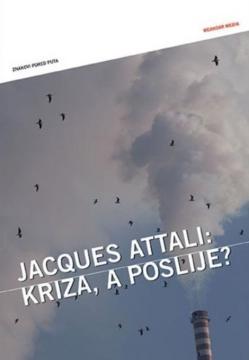
Kriza, a poslije?
Nach „Eine kurze Geschichte der Zukunft“ verfasst Jacques Attali eine kurze Geschichte der Gegenwart, in der er die Gründe für die erste globale Finanzkrise, ihre Erscheinungsformen und mögliche Zukunftsperspektiven analysiert.
Die Welt schien in einem goldenen Zeitalter zu schweben: Rekordwachstum der globalen Wirtschaft, reichlich billiges Geld, technologische Sprünge, die Ausbreitung des Wohlstands auf neue Kontinente. Und dann, fast über Nacht, brach alles zusammen. Das Epizentrum ist Amerika – ganz normale Bürger, die ihre Hypotheken für Häuser, die sie mit ungesicherten Krediten erworben haben, nicht mehr bedienen können. Doch Attali zeigt, dass dies kein Zufall ist, sondern die logische Konsequenz eines Systems, das seit Jahrzehnten auf instabilen Fundamenten steht.
Er führt den Leser durch ein Labyrinth: die Deregulierung des Finanzsektors, die den Banken nahezu unbegrenzte Freiheit gab, die Explosion der „Subprime“-Kredite, die in komplexe Derivate (wie CDOs und CDSs) umgewandelt wurden, die niemand mehr verstand, die Gier von Investmentbanken, Hedgefonds und Ratingagenturen, die mit falschen Bonitätsbewertungen enorme Gewinne erzielten. All dies vor dem Hintergrund tiefer sozialer Ungleichheit – die Reichen wurden immer reicher, und die Mittelschicht hielt ihren Konsum künstlich nur durch Kredite aufrecht. Die Globalisierung wiederum ermöglichte es dem Virus, sich blitzschnell über den Planeten auszubreiten.
Attali beschränkt sich nicht auf die Diagnose. Er warnt, dass es sich um mehr als eine Wirtschaftskrise handelt – sie bedroht die Demokratie selbst. Unbehandelt könnte sie eine Welle von Nationalismus, Protektionismus und sogar autoritären Regimen auslösen. Daher bietet er im zweiten Teil einen Ausweg: strenge Regulierung der Finanzmärkte, Transparenz riskanter Finanzinstrumente, Stärkung der globalen Koordination (als Vorstufe zu einer Art Weltregierung), Abbau extremer Ungleichheit und Übergang zu einem nachhaltigeren, weniger spekulativen Wachstumsmodell.
Das Buch ist in einem prägnanten, klaren Stil geschrieben – Attali will nicht Experten beeindrucken, sondern das „Geheimnis“ der Krise einem breiteren Publikum verständlich machen. Besonders bemerkenswert ist, dass er selbst bereits 2006 vor dem drohenden Zusammenbruch warnte; seine Analyse wirkt daher prophetisch. Auch heute, Jahre später, mahnt sie eindringlich, wie zerbrechlich dieser Schein von Wohlstand war und wie wichtig es ist, dieselben Fehler nicht zu wiederholen.
One copy is available