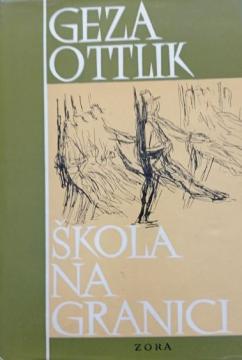
Škola na granici

Škola na granici

Geza Ottlik
Naslov izvornika
Iskola a hataron
Prijevod
Ivo Meden
Urednik
Novak Simić
Dimenzije
20,5 x 14,5 cm
Broj strana
359
Nakladnik
Zora, Zagreb, 1967.
 
Latinica. Tvrde korice.
Jezik: Hrvatski.

Jedan primjerak je u ponudi

Stanje:Korišteno, u vrlo dobrom stanju
Oštećenja / nepogodnosti:
  • Oštećen omot
Dodano u košaricu!
 

Zanima Vas i neka druga knjiga? Možete pretražiti našu ponudu pomoću tražilice ili prelistati knjige po kategorijama.

Možda će Vas zanimati i ovi naslovi

Deobe

Deobe

Dobrica Ćosić

Deobe is a novel about the tragic division of Serbs into Chetniks and Partisans during World War II. Winner of the NIN Award, it is part of a wider epic trilogy, inspired by Ćosić's experiences and historical documents.

Prosveta, 1963.
Hrvatski. Latinica. Tvrde korice s ovitkom.
13,74
Pripovetke iz levog i desnog džepa

Pripovetke iz levog i desnog džepa

Karel Čapek

These stories deal with different topics, although most deal with different criminal acts, from fraud and fortune-telling to marriage fraud and murder.

Jugoslavijapublik, 1980.
Hrvatski. Latinica. Tvrde korice.
5,22
Krčma

Krčma

Julian Stryjkowski

Das 1977 erschienene Buch „Inn“ von Julian Stryjkowski untersucht das Leben in einem kleinen jüdischen Dorf in Galizien im 19. Jahrhundert.

BIGZ, 1977.
Srpski. Latinica. Broširano.
4,38
Proces

Proces

Franz Kafka

Kafka schrieb „Der Prozess“ zwischen 1914 und 1915 und veröffentlichte es posthum im Jahr 1925. Der Roman ist unvollendet, wurde aber um ein letztes Kapitel von Max Brod ergänzt. Ausgabe mit einem Vorwort von B. Živojinović und einem Nachwort von Walter K

BIGZ, 1990.
Srpski. Latinica. Broširano.
4,26
Deobe 1-3

Deobe 1-3

Dobrica Ćosić

This work, awarded the NIN Prize for that year, is considered one of the most significant in Serbian literature after World War II.

Prosveta, 1961.
Srpski. Ćirilica. Tvrde korice s ovitkom.
Knjiga se sastoji od tri toma
11,42
Usta puna zemlje

Usta puna zemlje

Branimir Šćepanović

The novel "Usta puna zemlje" (1970), the masterpiece of the Serbian writer Branimir Šćepanović, is a psychologically in-depth explorer of the limits of the human soul, solitude and existential freedom, reminiscent of Kafka and Camus.

BIGZ, 1987.
Srpski. Latinica. Broširano.
3,98