Socijalna književnost
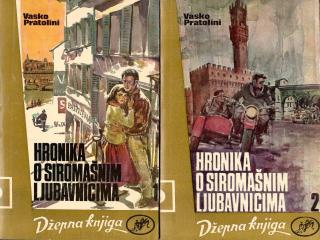
Hronika o siromašnim ljubavnicima
In Florence 1925–1926, in the poor Via del Corno, the residents live in love, poverty and fear. The arrival of fascism destroys the community: lovers fight, some die from violence, but popular solidarity survives.
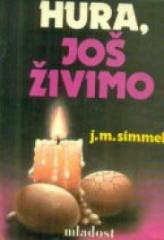
Hura, još živimo
The novel follows the life of Jakob Formann from 1946 to 1976: from a poor returnee from the war, through business ups and downs, love, marriages and scandals, to becoming one of the richest and most famous people in Germany.

Ich träumte von Afrika
In this book, author Kuki Gallmann describes her life in Kenya, her love of African nature, family tragedies, and her fight to preserve wildlife.
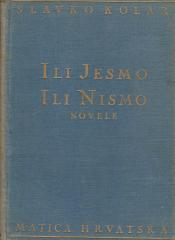
Ili jesmo ili nismo
„Entweder wir sind oder wir sind nicht“ (1933) ist Slavko Kolars bekannteste Kurzgeschichtensammlung. Mit satirischem und warmherzigem Humor schildert Kolar das Leben im kroatischen Dorf und im einfachen Volk im Jugoslawien der Zwischenkriegszeit – Wahlbe
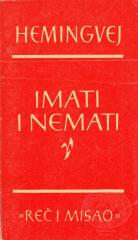
Imati i nemati

„Haben und Nichthaben“ (1937) erzählt die Geschichte von Harry Morgan, der während der Weltwirtschaftskrise mit Schmuggel und illegalen Geschäften überlebt. Der Roman stellt die Unterschiede zwischen Arm und Reich scharf dar und schildert den Kampf ums Üb
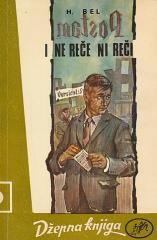
I ne reče ni reči
In Bolls Romanen ist eines der zentralen Themen der Versuch, in einer Zeit des Terrors sowie in einer Zeit des materiellen Wohlstands und der Korruption grundlegende moralische Werte zu bewahren.
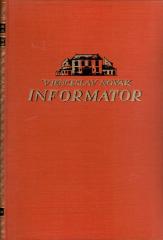
Informator
Informator (1894) is a shorter prose work by Vjenceslav Novak, edited by Slavko Ježić (the third volume of Collected Works). It is one of Novak's most socially engaged texts and is typical of his realistic approach.
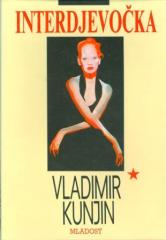
Interdjevočka
The novel follows the life of a Moscow nurse who works at night as an "intergirl" - a prostitute for foreigners. The novel depicts moral dilemmas, economic despair and the collapse of values in late Soviet society.
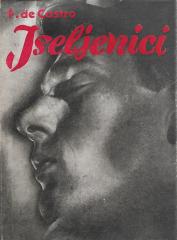
Iseljenici
The book "Emigrants" by the Portuguese writer Ferreira de Castro is one of the most important works of Portuguese literature, published in 1928. Great photomontage and cover by an unknown author from 1940.
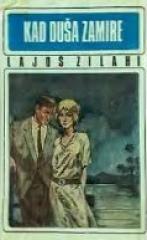
Izabrana dela 4: Kad duša zamire

János Pekri, a young Hungarian immigrant, seeks success and love in America, but finds himself grappling with nostalgia, a loss of identity, and the painful realization that returning to his homeland no longer means returning home.
Literature
- Aphorisms and jokes
- Albanian literature
- American literature
- Ancient literature
- Anthology
- Arabic literature
- Autobiographies and Memoirs
- Adventure novel
- Bosnian literature
- British literature
- Bulgarian literature
- Montenegrin literature
- Documentary literature
- Plays
- Epistolary literature
- Epic Fantasy
- Epic literature
- Erotic Novels
- Essays and diaries
- Fantastic literature
- Movie Script
- A philosophical novel
- Francuska književnost
- Greek literature
- Horror/Gothic
- Croatian literature
- Humor and Satire
- Indian literature
- Iranian literature
- Irish literature
- Eastern European literature
- Sayings, thoughts, aphorisms, proverbs
- Japanese literature
- Chinese literature
- Literary criticism
- Teen Novels
- Comedy
- Short stories
- Detective Stories
- Hispanic American literature
- Latin literature
- Romance Novels
- Macedonian literature
- Hungarian literature
- Moral and didactic literature
- Folk literature
- Dutch literature
- German literature
- Novele
- Family novel
- Poems in prose
- Poetry
- Polish literature
- Portuguese literature
- Proverbs and maxims
- Historical novel
- History of literature
- Short Stories
- Psychological novel
- A war novel
- Romanian literature
- Russian literature
- Summaries and adaptations of literary works
- Scandinavian literature
- Slovak literature
- Slovenian literature
- Social literature
- Serbian literature
- Italian literature
- Literary Theory
- Tragedy
- Thriller
- Turkish literature
- Ukrainian literature
- Science Fiction
- Czech literature
- School reading
- Spanish literature
- Jewish literature