Socijalna književnost
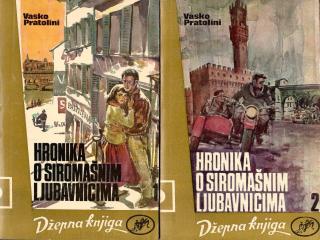
Hronika o siromašnim ljubavnicima
U Firenci 1925–1926, u siromašnoj ulici Via del Korno, stanovnici žive u ljubavi, siromaštvu i strahu. Dolazak fašizma uništava zajednicu: ljubavnici se svađaju, neki ginu od nasilja, ali narodna solidarnost opstaje.
Hura, još živimo
Roman prati život Jakoba Formana od 1946. do 1976. godine: od siromašnog povratnika iz rata, preko poslovnih uspona i padova, ljubavi, brakova i skandala, do toga da postane jedna od najbogatijih i najpoznatijih osoba u Nemačkoj.
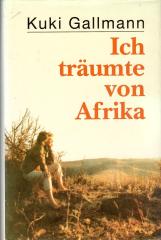
Ich träumte von Afrika
U ovoj knjizi, autorka Kuki Galman opisuje svoj život u Keniji, svoju ljubav prema afričkoj prirodi, porodične tragedije i svoju borbu za očuvanje divljih životinja.
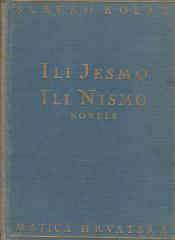
Ili jesmo ili nismo
„Ili jesmo ili nismo“ (1933) je najpoznatija zbirka kratkih priča Slavka Kolara. Satiričnim i toplim smislom za humor, Kolar prikazuje život hrvatskog sela i običnog čoveka u međuratnoj Jugoslaviji – izborne prevare, birokratiju, siromaštvo i borbu seljak
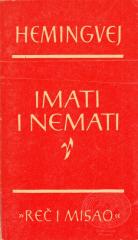
Imati i nemati

„Imati i nemati“ (1937) prati Harija Morgana, koji se tokom Velike depresije bavi švercom i ilegalnim poslovanjem kako bi preživeo. Roman oštro suprotstavlja bogate i siromašne, prikazujući borbu za opstanak u surovom svetu.
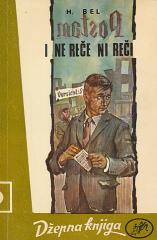
I ne reče ni reči
U Bolovim romanima, jedna od centralnih tema je pokušaj očuvanja osnovnih moralnih vrednosti u vremenu terora, kao i u periodu materijalnog prosperiteta i korupcije.
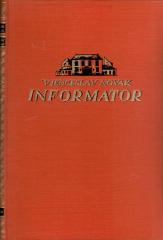
Informator
„Informator“ (1894) je kraće prozno delo Vjenceslava Novaka, koje je priredio Slavko Ježić (treći tom Sabranih dela). Jedan je od Novakovih društveno najangažovanijih tekstova i tipičan je za njegov realistički pristup.
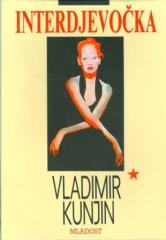
Interdjevočka
Roman prati život moskovske medicinske sestre koja radi noću kao „interdevojka“ - prostitutka za strance. Roman prikazuje moralne dileme, ekonomski očaj i kolaps vrednosti u kasnosovjetskom društvu.
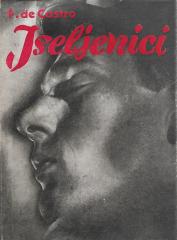
Iseljenici
Knjiga "Iseljenici" portugalskog pisca Ferreire de Castra je jedno od najvažnijih dela u portugalskoj literaturi, objavljeno 1928. godine. Sjajna fotomontaža i ovitak nepoznatog autora iz 1940. godine.
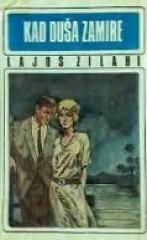
Izabrana dela 4: Kad duša zamire

Janoš Pekri, mladi mađarski imigrant, traga za uspehom i ljubavlju u Americi, ali se suočava sa nostalgijom, gubitkom identiteta i bolnim saznanjem da povratak u domovinu više ne znači povratak kući.
Književnost
- Aforizmi i vicevi
- Albanska književnost
- Američka književnost
- Antička književnost
- Antologije
- Arapska književnost
- Autobiografije i memoari
- Avanturistički roman
- Bosanskohercegovačka književnost
- Britanska književnost
- Bugarska književnost
- Crnogorska književnost
- Dokumentarna književnost
- Drama
- Epistolarna književnost
- Epska fantastika
- Epska književnost
- Erotska književnost
- Esejistika i dnevnici
- Fantastična književnost
- Filmski scenario
- Filozofski roman
- Francuska književnost
- Grčka književnost
- Holandska književnost
- Horor
- Hrvatska književnost
- Humor i satira
- Indijska književnost
- Iranska književnost
- Irska književnost
- Istorija književnosti
- Istorijski roman
- Istočnoevropska književnost
- Italijanska književnost
- Izreke, misli, aforizmi, poslovice
- Japanska književnost
- Jevrejska književnost
- Kineska književnost
- Književna kritika
- Književnost za mlade
- Komedija
- Kratke priče
- Kriminalistički roman
- Latinoamerička književnost
- Latinska književnost
- Ljubavni roman
- Makedonska književnost
- Mađarska književnost
- Moralno-didaktička književnost
- Narodna književnost
- Naučna fantastika
- Nemačka književnost
- Novele
- Pjesme u prozi
- Poezija
- Poljska književnost
- Porodični roman
- Portugalska književnost
- Poslovice i maksime
- Pripovetke
- Psihološki roman
- Ratni roman
- Rumunska književnost
- Ruska književnost
- Sažetci i adaptacije književnih dela
- Skandinavska književnost
- Slovačka književnost
- Slovenska književnost
- Socijalna književnost
- Srpska književnost
- Teorija književnosti
- Tragedija
- Triler
- Turska književnost
- Ukrajinska književnost
- Češka književnost
- Školska lektira
- Španska književnost