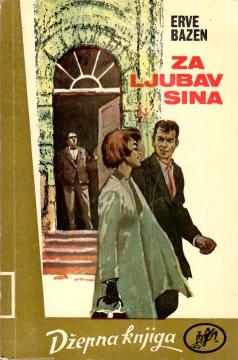
Za ljubav sina
Ein intimes, autobiografisches Drama über Vaterschaft, Schuldgefühle und komplexe Familienbeziehungen. Die Hauptfigur ist Daniel, ein verwitweter Mann mittleren Alters, der drei Kinder allein erzieht: Zwillinge (einen älteren Sohn und eine Tochter) und de
Bruno ist ein rebellischer, eigensinniger, unhöflicher und ungehorsamer Junge – er läuft oft von zu Hause weg, prügelt sich, beleidigt und lehnt Autoritäten ab. Sein Vater liebt ihn innig, weiß aber nicht, wie er mit ihm umgehen soll: Seine Reaktionen sind harsch, Drohungen, Schläge, Erziehungsversuche – was den Konflikt nur verschlimmert. Daniel ist ständig mit seiner eigenen Ohnmacht, den Erinnerungen an seine verstorbene Frau und der Schuld konfrontiert, kein idealer Vater zu sein.
Die Familie lebt in der Kleinstadt Chelles; sie wird von Daniels hübscher Schwägerin Laura (die sich um Haus, Küche und Kinder kümmert, aber im Hintergrund bleibt) und der alten Mamette unterstützt. Der Roman schildert die alltäglichen Konflikte: Brunos Ausreißen, Polizeieinsätze, Nachbarschaftsklatsch, Daniels innere Monologe voller Selbstvorwürfe.
Bazin deutet subtil an, dass Bruno nicht Daniels leiblicher Sohn ist (vielleicht aus einer früheren Beziehung seiner Frau), was die Schuldgefühle und Unsicherheit noch verstärkt. Der Vater fragt sich, ob seine Liebe ausreicht, warum er keine Beziehung zu seinem Sohn aufbauen kann und gibt sich die Schuld an Brunos Rebellion. Die Geschichte gipfelt in dem Moment, als Daniel erkennt, dass er seinen Ansatz ändern muss – nicht mit Gewalt, sondern mit Verständnis und Opferbereitschaft.
Der Stil ist typisch für Bazin: scharf, realistisch, nüchtern, mit schwarzem Humor und tiefgründigen psychologischen Einsichten. Der Roman behandelt Themen wie väterliche Liebe, die an Besessenheit grenzt, die Auswirkungen von Krieg und Verlust auf eine Familie und wie Kinder unter den Schwächen ihrer Eltern leiden.
Das Werk ist weniger bekannt als „Vipère au poing“, doch es schildert familiäre Dysfunktion und die Suche nach Erlösung durch die Liebe zum Sohn ebenso eindringlich. Das Ende bringt Versöhnung und Hoffnung, aber auch die Bitterkeit der Realität.
Angeboten wird ein Exemplar