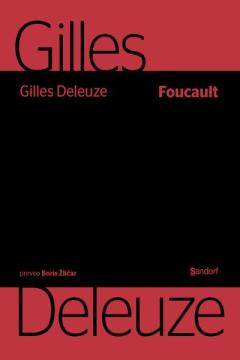
Foucault
Deleuzes Portrait of Foucault (1986) ist keine Monografie, sondern ein kreatives „Denken mit Foucault“. Es analysiert die Archäologie des Wissens und führt die Konzepte des Archivs, der Macht, der Subjektivierung und der „Faltung“ als entscheidend für Fou
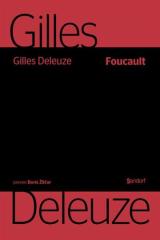
Foucault (1986) wurde zwei Jahre nach Foucaults Tod (1984) von Gilles Deleuze als intime intellektuelle Hommage und „geistiges Porträt“ eines Freundes verfasst. Es ist keine einfache Einführung oder Zusammenfassung von Foucaults Werken, sondern eine tiefgründige, kreative Lektüre – Deleuze „denkt mit Foucault“, entwickelt dessen Konzepte weiter und verwendet dabei seinen eigenen philosophischen Apparat (Rhizom, Ereignis, Kräfte usw.).
Das Buch ist in zwei Hauptteile gegliedert:
Vom Archiv zum Diagramm – Der neue Archivar (Archäologie des Wissens, 1969): Foucaults Wissen ist keine kontinuierliche Ideengeschichte, sondern diskursive Formationen – das „Sichtbare“ und das „Sagbare“ (sichtbar und artikuliert). Deleuze führt den Begriff des Archivs als System ein, das bestimmt, was in einer Epoche gesagt und gesehen werden kann. - Der neue Kartograf (Überwachen und Strafen, 1975): Foucault wendet sich vom Diskurs den Praktiken der Macht zu – von der souveränen Macht zur Disziplin (Panoptikum, Gefängnis, Schule, Fabrik). Deleuze interpretiert dies als Diagramm – eine abstrakte Machtmaschine, die Kräfte verteilt.
Topologie: „Anders denken“
Schichten (Wissen): historische Formationen des Sichtbaren und Sagbaren.
Strategien (Macht): Denken nach außen (Denken über das Außen) – Macht ist nicht repressiv, sondern produktiv; Machtverhältnisse.
Falten (Subjektivierung): Spätfoucault (Selbstfürsorge, Ethik) – das Subjekt ist nicht gegeben, sondern entsteht durch das „Falten“ äußerer Kräfte nach innen. Dies ist Deleuzes zentrale Neuerung: Foucaults Subjekt als „das Innere des Außen“, Widerstand gegen Macht durch die Ästhetik der Existenz.
Deleuze versteht Foucaults Denken als eine kontinuierliche Entwicklung: von der Archäologie über die Genealogie der Macht bis hin zur Ethik des Subjekts. Er betont insbesondere den „Tod des Menschen“, nicht als Nihilismus, sondern als Befreiung von Leben, Arbeit und Sprache von einer anthropozentrischen Figur. Der Anhang über „den Tod des Menschen und den Übermenschen“ stellt eine Verbindung zwischen Foucault und Nietzsche her.
Der Stil ist dicht, poetisch und reich an Deleuze-Metaphern (Diagramm, Falte, Kräfte), was die Lektüre anspruchsvoll, aber auch fesselnd macht. Viele halten ihn für eine der besten Foucault-Interpretationen – nicht objektiv, aber produktiv, da Deleuze ein „Foucault-Deleuze“ erschafft.
Angeboten wird ein Exemplar