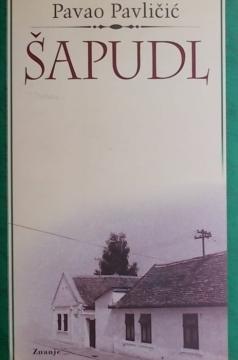
Šapudl
Pavao Pavličić, geboren 1946 in Vukovar, erzählt in seinem Roman Šapudl eine zutiefst emotionale autobiografische Geschichte über seine Kindheit und Heimatstadt. Eines der bewegendsten Bücher über den Heimatkrieg, gelobt für seine Authentizität und Tief
Das Buch entstand während des Heimatkriegs 1991, als Pavličić in der Zeitschrift Republika Auszüge über die Šapudl-Straße in Vukovar veröffentlichte, wo er aufwuchs. Šapudl, der Name leitet sich vom lokalen Wort für „Pfote“ oder „Ferse“ ab, symbolisiert diese besondere Straße Vukovars – eine Mischung aus multiethnischer Gemeinschaft, Alltagsleben und urbaner Kultur Slawoniens.
Die Geschichte spielt in den 1950er und 1960er Jahren und wird aus der Perspektive eines kleinen Jungen erzählt, der die Welt seiner Familie und Nachbarn beobachtet. Pavličić schildert Vukovar meisterhaft als pulsierende, multikulturelle Metropole – mit ungarischen, serbischen, kroatischen und deutschen Einflüssen, Geschäften, der Donau und einem industriellen Ambiente. Die Kindheit ist geprägt von der Freude am Spiel, aber auch von der Armut der Nachkriegszeit, familiären Beziehungen, Schulabenteuern und Begegnungen mit exzentrischen Charakteren: einer Großmutter, die nach alten Rezepten kocht, einem berufstätigen Vater, Nachbarn, die Geschichten erzählen. Das Buch erinnert an den Duft von gebackenem Brot, den Straßenlärm und die Wärme der Gemeinschaft, weist aber auch auf Spuren historischer Traumata hin – vom Zweiten Weltkrieg bis hin zu Vorahnungen zukünftiger Konflikte.
Der emotionale Höhepunkt kommt im erweiterten Teil, in dem Pavličić den Krieg von 1991 und den Urbozid in Vukovar behandelt. Als Zeitzeuge beschreibt er die Zerstörung, die Verluste und den Wiederaufbau der Stadt nach dem Krieg und fügt 50 Seiten über Vukovar bis in die Gegenwart hinzu: demografische Veränderungen, Denkmäler und den Kampf um die Bewahrung der Identität. Šapudl wird zur Metapher für das verlorene, aber widerstandsfähige Herz Vukovars – eine bewegende Elegie für eine vom Krieg verwüstete, aber durch die Erinnerung bewahrte Heimat.
Im Angebot sind keine Exemplare vorhanden
Das letzte Exemplar wurde kürzlich verkauft.