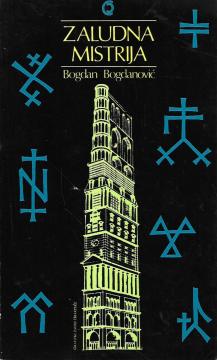
Zaludna mistrija: doktrina i praktična bratstva zlatnih (crnih) brojeva
Eine Sammlung von Essays, autobiografischen Aufzeichnungen, Tagebuchfragmenten und Denkstrukturen von Bogdan Bogdanović – Architekt, ehemaliger Bürgermeister von Belgrad, Universitätsprofessor und einer der originellsten Intellektuellen des jugoslawischen
Das Buch entstand während seines inneren Exils während der nationalistischen Erosion in den 1980er und 1990er Jahren in Jugoslawien und unterstreicht insbesondere seinen Widerstand gegen ideologische, politische und ästhetische Banalität.
Die titelgebende „Kelle“ (eine Kelle zum Auftragen von Gips) dient als Symbol der Freimaurerei und des Bauwesens, ist hier jedoch „eitel“ – sie verweist auf ein Gefühl der Ohnmacht in einer Zeit, in der wahre Baumeister des Geistes marginalisiert werden. Im gesamten Buch wird deutlich, dass der Autor, wenn auch nicht explizit, freimaurerische, hermetische und symbolische Motive verwendet, um seine eigene, allegorische Weltsicht zu entwickeln. Bogdanović ist bekannt für sein tiefes Interesse an Esoterik, Mythologie, Symbolik und Sprache als Baumaterial – sowohl architektonisch als auch intellektuell.
Das Buch ist voller Symbole der Freimaurerei – Pyramiden, Labyrinthe, Messinstrumente, Werkzeuge, Lichtmetaphern, geheime Briefe, „Geisterstädte“. Er spricht von der Stadt als Symbol, nicht nur als räumliche Einheit, und vom Denkmal als „mysteriöser Architektur“ – einem Raum, der der Erinnerung und der Stille gewidmet ist. Im Mittelpunkt steht der Mythos als Sprache des Realitätsverständnisses, im Gegensatz zum banalen Utilitarismus moderner Politik und Urbanistik.
Bogdanović widmet der Freimaurerei als spirituellem Erbe von Erbauern besondere Aufmerksamkeit, ohne sich jemals explizit als Mitglied dieser zu bezeichnen. Seine ständige Verwendung symbolischer Sprache, die Thematisierung geheimen Wissens sowie sein Interesse an Hermetik, Allegorie, Gnostizismus und der kabbalistischen Sprachstruktur zeugen jedoch von einer tiefen Verbundenheit mit der freimaurerischen spirituellen Tradition – sei es direkt oder durch kulturelle und philosophische Einflüsse.
Im Kontext allgegenwärtiger politischer Repression und Sinnzerstörung wird Bogdanovićs „vergebliche Kelle“ zu einem Akt des Widerstands – schriftlich „baut“ er, was durch Panzer und Slogans nicht zerstört werden kann: die Sprache der Bedeutung, der Symbolik und der inneren Freiheit.
Im Angebot sind keine Exemplare vorhanden
Das letzte Exemplar wurde kürzlich verkauft.